



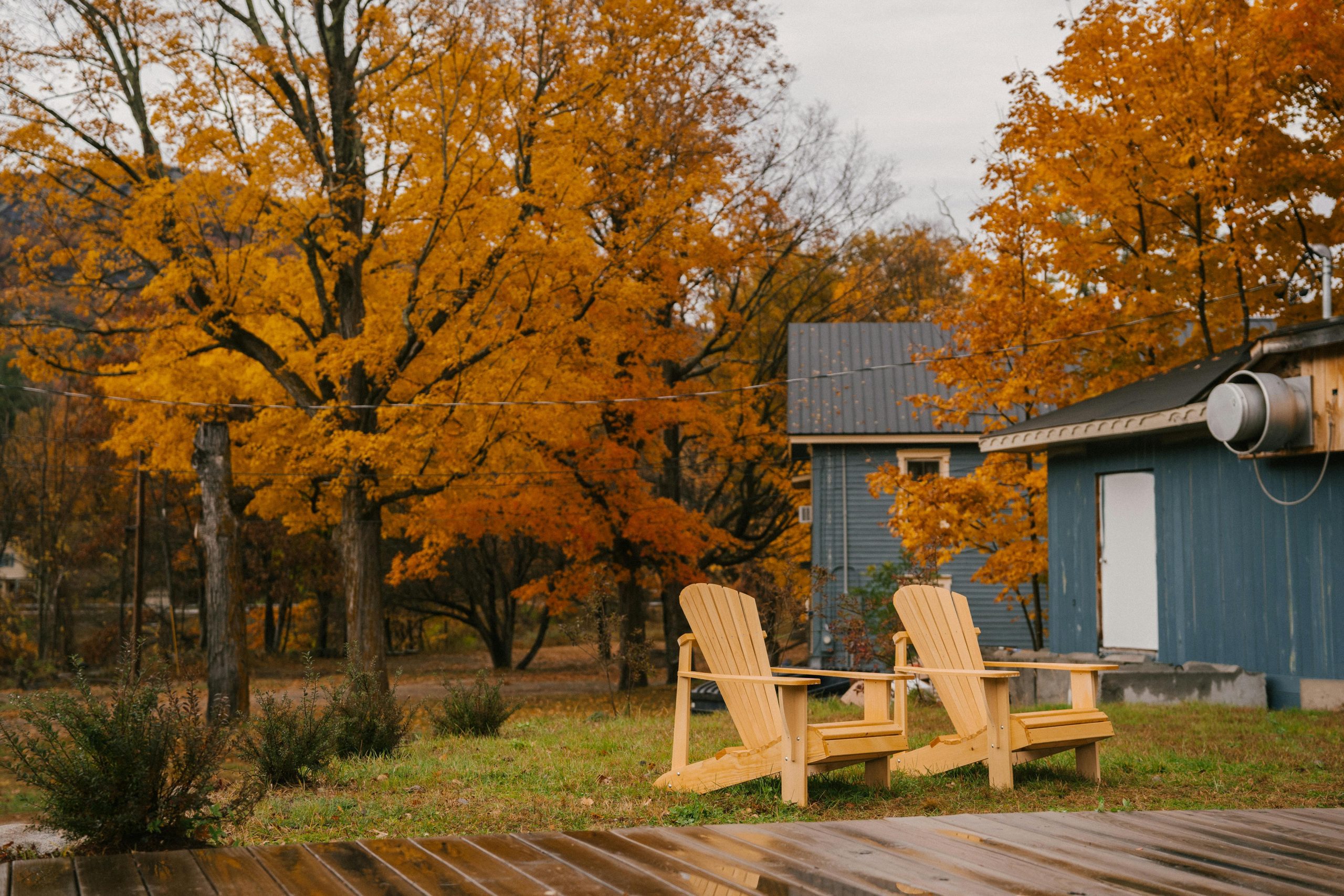
Custom deck construction has become an integral part of modern home design, reflecting a growing desire to extend living spaces beyond interior walls. A well-planned deck provides a functional transition between the home and the outdoors while offering opportunities for relaxation, entertainment, and connection with nature. Rather than serving as a simple platform, a custom deck is shaped by lifestyle needs, site conditions, and long-term durability considerations.
When approached thoughtfully, custom deck construction balances design, materials, and structural integrity. Homeowners who understand the key considerations behind the process are better equipped to make informed decisions that support both aesthetic appeal and lasting performance.
Defining Purpose and Lifestyle Needs
The foundation of any successful deck project begins with a clear understanding of how the space will be used. Some decks are designed for quiet evenings outdoors, while others support gatherings, dining, or family activities. Clarifying these goals early helps guide decisions related to size, layout, and features.
Lifestyle considerations also influence the relationship between the deck and the home. For instance, decks connected to kitchens or living areas often prioritize accessibility and flow, while more secluded designs may emphasize privacy and views. By aligning function with daily routines, custom deck construction results in a space that feels intentional rather than incidental.
Evaluating Site Conditions and Layout
Every property presents unique site conditions that affect deck design. Factors such as slope, soil stability, sun exposure, and drainage play a critical role in determining structural requirements and layout options. A thorough site evaluation ensures that the deck integrates safely and seamlessly with the surrounding environment.
Additionally, local climate influences material performance and maintenance needs. Decks exposed to intense sun, moisture, or temperature fluctuations require thoughtful planning to prevent premature wear. Addressing these conditions during the design phase supports longevity and reduces the likelihood of costly repairs later on.
Selecting Materials for Durability and Appearance
Material selection is one of the most impactful decisions in custom deck construction. Natural wood, composite decking, and alternative materials each offer distinct advantages and considerations. Wood provides a classic appearance but may require regular maintenance, while composite materials often prioritize durability and reduced upkeep.
Beyond decking boards, material choices extend to framing, railings, and fasteners. Consistency in quality across all components supports structural integrity and visual cohesion. By weighing appearance, maintenance expectations, and environmental factors, homeowners can select materials that align with both design goals and practical needs.
Integrating Design Details and Features
Design details elevate a deck from functional to personalized. Elements such as built-in seating, planters, lighting, and shade structures contribute to comfort and usability. These features should be integrated thoughtfully to maintain balance and avoid overcrowding the space.
Railings and stairs also deserve careful attention. Beyond safety requirements, these elements shape the overall visual character of the deck. Clean lines, appropriate proportions, and complementary materials help create a cohesive design that enhances the home’s exterior rather than competing with it.
Ensuring Structural Integrity and Safety
Structural integrity is central to custom deck construction. Proper footing installation, load calculations, and secure connections ensure that the deck can safely support intended use. Adhering to local building codes and industry standards protects both occupants and long-term property value.
Safety considerations extend beyond structure to include surface traction, railing height, and stair design. Attention to these details reduces risks while supporting ease of use for people of all ages. A well-built deck feels solid and secure, reinforcing confidence in its construction.
Supporting Long-Term Maintenance and Care
Even the most carefully designed deck requires ongoing care. Maintenance needs vary based on materials and exposure, but proactive attention helps preserve appearance and performance. Regular cleaning, inspections, and timely repairs extend the life of the structure and prevent minor issues from escalating.
Design choices can also simplify maintenance. For example, adequate spacing for drainage and ventilation reduces moisture buildup, while durable finishes protect against wear. By considering maintenance during construction, homeowners create decks that remain enjoyable for years to come.
Appreciating the Value of Professional Expertise
Custom deck construction benefits from specialized knowledge and experience. Professionals from trusted providers like Timberbuilt Rooms bring not just excellent service but also insight into design feasibility, material behavior, and construction best practices. Their guidance helps translate ideas into practical solutions while addressing challenges that may not be immediately apparent.
These companies are often hired for their emphasis on tailored outdoor structures, illustrating how expertise supports both creativity and reliability. While not promotional, such examples highlight the value of informed planning and execution within the broader context of deck construction.
Enhancing Outdoor Living Through Thoughtful Design
Ultimately, custom deck construction is about enhancing how people interact with their outdoor spaces. A well-designed deck invites use throughout the seasons and adapts to changing needs over time. By prioritizing purpose, materials, safety, and maintenance, homeowners can create outdoor environments that feel both welcoming and enduring.
When approached with care and intention, custom deck construction becomes an investment in comfort, connection, and quality of life. The result is not just an addition to a home but an extension of how that home is lived in and enjoyed.
