



Every night, millions of Americans engage in a frustrating tug-of-war with a plastic mask and a long, winding tube. While the CPAP machine is undeniably a life-saver for many, it is often a difficult partner to live with. Between the air leaks, the skin irritation, and the hum of the motor, many people find themselves wondering if there is a more permanent way to reclaim their sleep.
The desire for a “natural” night of rest—free from hardware and humming—is driving more people to look at surgical alternatives. Surgery is no longer just a last resort for the most extreme cases. Instead, it has become a proactive choice for those who want to fix the underlying physical blockage rather than just managing it with air pressure.
Moving Beyond the Nightly Mask
For some, the CPAP feels less like a medical device and more like a ball and chain that dictates their lifestyle. It complicates everything from romantic weekends away to simple business trips where packing light is a priority. When you rely on a machine, your ability to breathe well is always dependent on an outlet and distilled water.
Many patients reach a breaking point where the “cure” feels almost as exhausting as the condition itself. They grow tired of waking up with a dry mouth or feeling like a scuba diver in their own bedroom. This fatigue often sparks a conversation about more permanent solutions that don’t require a power cord.
Correcting the Physical Airway Obstruction
Sleep apnea is essentially a plumbing problem where the “pipes” of the throat collapse during deep rest. While a machine blows air to force those pipes open, surgery aims to reshape the area so it stays open on its own. This might involve tightening loose tissue or gently moving the jaw to create more breathing room.
Modern procedures have become much more precise and patient-friendly than they were a decade ago. Specialists, like those at Sleep Doctor, focus on identifying the exact spot where the collapse happens before recommending a plan. This targeted approach ensures that the intervention matches the unique shape of your throat and nose.
Evaluating the Modern Surgical Options
There is no “one-size-fits-all” operation when it comes to fixing an airway, as every person’s anatomy is different. Some people benefit from a small implant that stimulates the tongue to stay forward, while others may need a slight adjustment to their nasal passages. The goal of these procedures is to ensure that oxygen flows freely without any mechanical assistance.
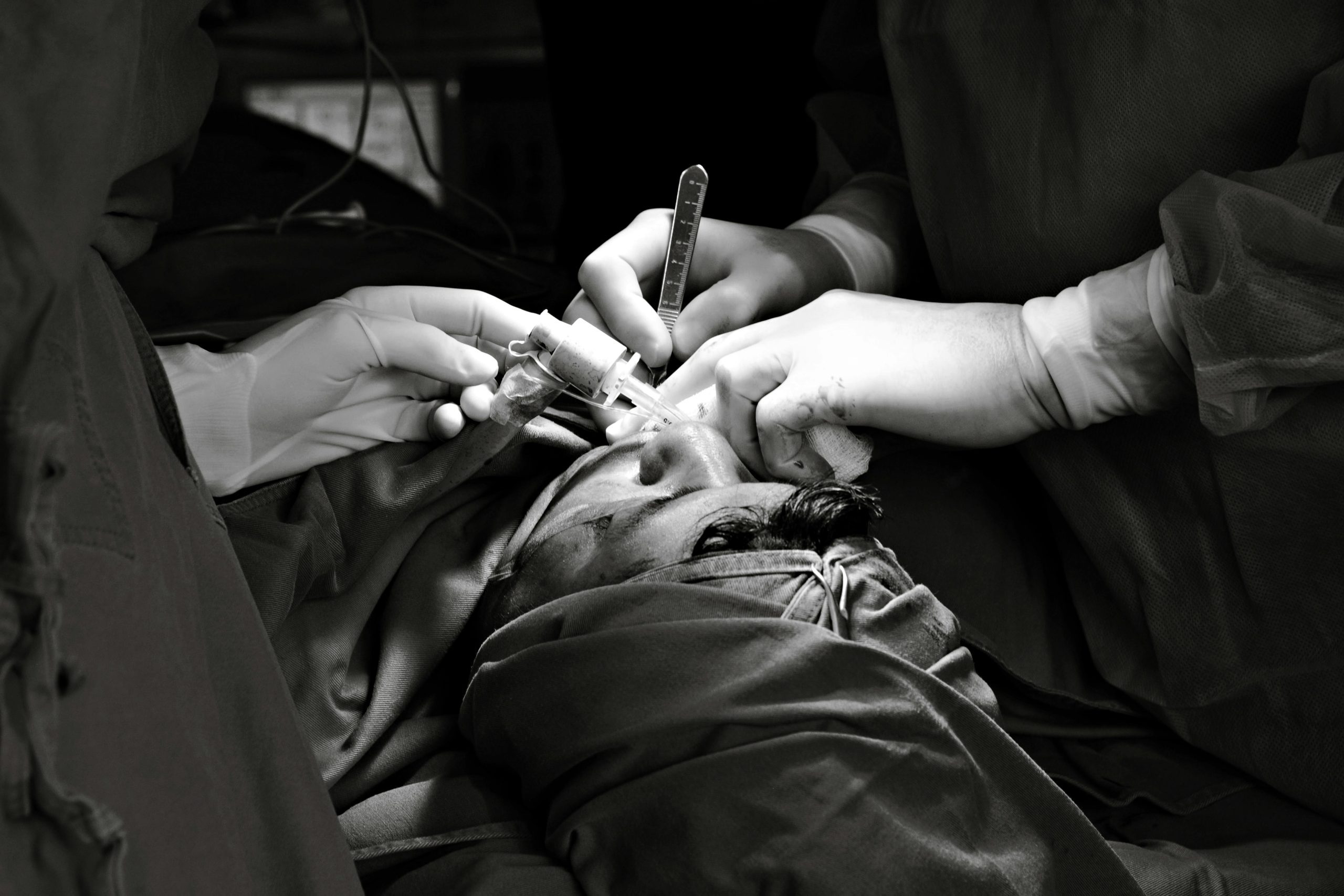
Advancements in medical technology mean that many of these options are now minimally invasive. This means surgeons can achieve great results with smaller incisions and less downtime than in the past. It is about creating a structural change that allows your body to function the way it was always intended to.
Navigating the Path to Recovery
Choosing surgery is a big decision that comes with a period of healing and adjustment. Most patients find that while the first few days require some rest and soft foods, the long-term payoff is well worth the effort. You aren’t just healing from a procedure; you are training your body to breathe in a whole new way.
During this time, it is common to have follow-up sleep studies to confirm that the airway is remaining stable. Seeing the data prove that you are getting deep, oxygen-rich sleep without a mask is an incredible milestone. It marks the official end of your dependence on nighttime hardware and the beginning of true sleep independence.
Choosing a Future of Restful Freedom
The transition from a CPAP to a surgical solution is often described as a massive weight being lifted off a person’s shoulders. Imagine being able to fall asleep on a plane or at a campsite without a single worry about your equipment. That sense of freedom is what makes the surgical path so appealing to the modern patient.
If you are ready to stop managing your symptoms and start fixing the cause, it is time to explore your options. You deserve to wake up feeling refreshed because your body is working correctly, not because a machine forced it to. Breaking up with your CPAP might just be the best decision you ever make for your health and your happiness.
Concluding the Journey to Better Breath
At the end of the day, sleep is the foundation of everything we do, from our mood to our heart health. Living with untreated apnea is a risk, but living with a treatment you hate is a struggle that eventually wears you down. Surgery offers a bridge between those two worlds, providing safety without the daily inconvenience.
Taking the time to consult with an expert can help you decide if your anatomy is a good fit for these procedures. While surgery is a commitment, the reward is a lifetime of quiet, effortless nights. You don’t have to settle for a lifetime of masks if your body is ready for a permanent change.
