



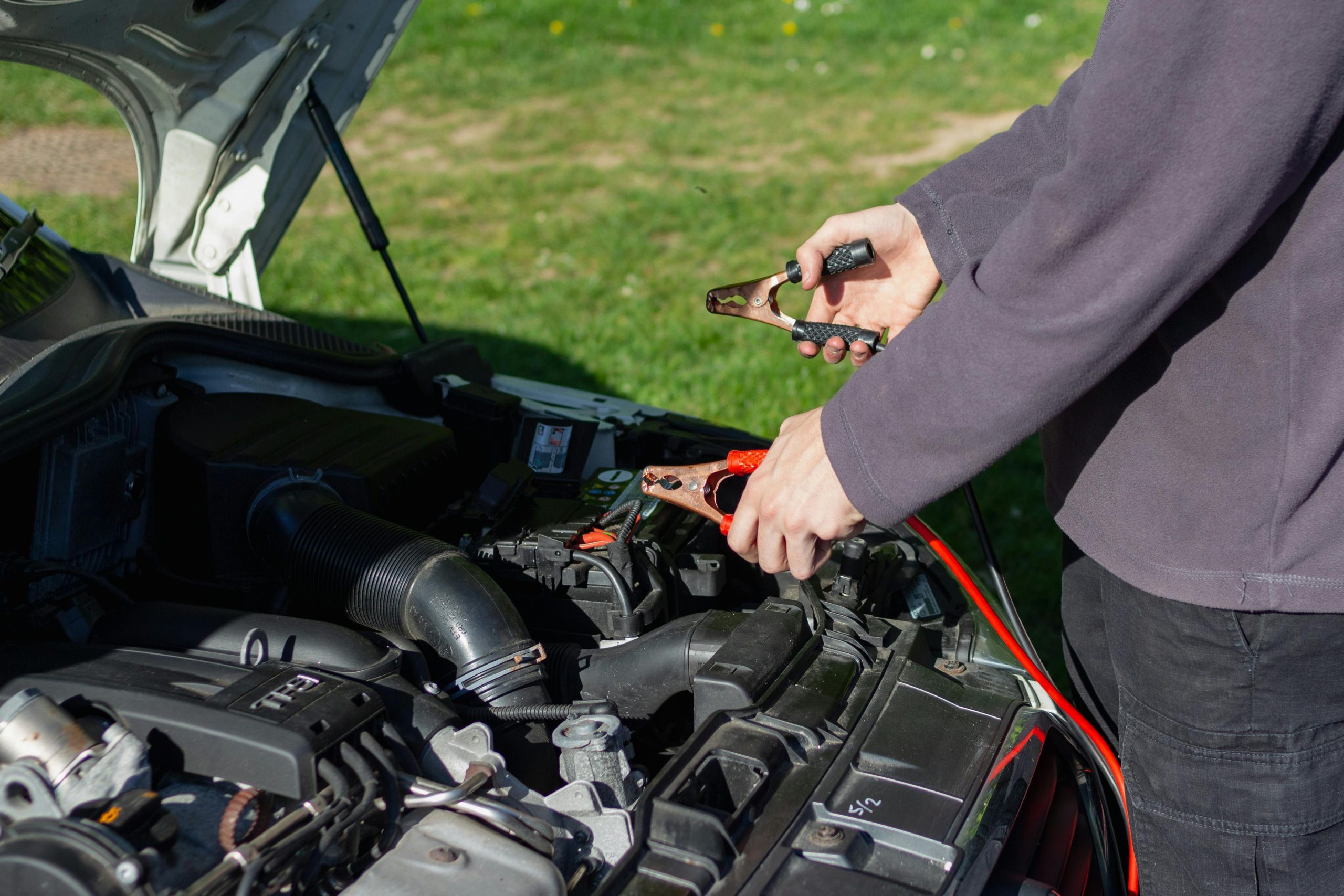
In the world of auto repair, we’ve all had those “oops” moments—a dropped bolt, a scraped knuckle, or a spilled latte. But when you transition from gas-guzzlers to electric vehicles (EVs), the stakes for a mistake shift from a minor annoyance to a life-altering event. The bright orange cables snaking through an EV aren’t just for show; they carry enough juice to power a small neighborhood, making high voltage safety for electric vehicles your new best friend in the shop.
You might think turning off the ignition is enough to keep things safe, but EVs are a different beast entirely. Residual energy can linger in the system long after the “off” switch is flipped, hiding in components like capacitors—parts that act like temporary batteries. This is why Zero Voltage Verification (ZVV) is the most critical ritual for any technician, ensuring that when you reach for a component, you aren’t grabbing a live wire.
Respecting the Power Behind the Orange
EVs operate on a scale that makes your standard 12-volt car battery look like a small toy. Most modern electric cars run on systems ranging from 400 to 800 volts, which is more than enough to bridge the gap between “working on a car” and “needing an ambulance.” Because DC (direct current) electricity is particularly “sticky” to the human body, you have to treat every orange cable with a healthy dose of skepticism until proven otherwise.
Think of it like checking if a stove is hot before placing your palm flat on the burner. You wouldn’t just trust that the dial is turned to “off” if the coils are still glowing red. In an EV, the electricity is invisible, so the only way to know you’re safe is to use a dedicated meter to verify the absence of voltage.
Preparing Your Gear and Workspace
Before you even touch a multimeter, you need to dress the part with the right Personal Protective Equipment (PPE). This means donning Class 0 rubber insulating gloves that have been air-tested for leaks and protected by leather outers. If your gloves have even a pinprick-sized hole, that high-voltage current will find it, turning your safety gear into a major liability.
Your tools need to be just as ready as you are for the task at hand. You must use a CAT III or CAT IV rated multimeter, which is specifically designed to handle high-energy spikes without exploding in your hand. Set up a “buffer zone” around the vehicle with high-voltage pylons and safety tape to ensure no one wanders into your workspace while the system is open.
Executing the Triple-Check Method
The actual process of Zero Voltage Verification follows a “Live-Dead-Live” logic that leaves zero room for error. First, you test your meter on a known live source, like a standard 12V battery, to make sure the device is actually functioning. If your meter has a dead internal battery or a blown fuse, it might show a “zero” reading on a live car, which is a recipe for disaster.
Once you know the meter works, you test the high-voltage points on the vehicle, checking for voltage between the positive and negative terminals. You also check between each terminal and the chassis ground, which is the metal frame of the car. Finally, you go back and test your meter on that live source one last time to prove the tool didn’t break during the test.
Handling the Hidden Energy Trap
One of the biggest traps in EV diagnostics is the capacitor, which acts like a storage tank for electricity inside the inverter. Even after the main battery is disconnected, these capacitors can hold a lethal charge for several minutes. Most vehicles have an automatic discharge circuit, but you should never bet your life on a circuit board doing its job correctly.
Waiting for the “discharge time”—usually about five to ten minutes—is mandatory, but the ZVV process is what actually confirms the energy is gone. If your meter still shows a reading above a few volts, you have to step back and wait longer for the energy to bleed off. It’s better to lose five minutes of your workday than to become the path of least resistance for several hundred volts.
Building a Culture of Safety
ZVV isn’t just a technical step; it’s a mindset that separates the amateurs from the professionals in the new era of transportation. It’s easy to get complacent when you’ve worked on a dozen cars without an issue, but electricity doesn’t give second chances. Mastering high voltage safety for electric vehicle protocols is how we move forward as the industry evolves.
Encouraging your teammates to double-check their work and call out safety lapses is how we stay healthy. As we see more of these high-voltage machines on the road, the “measure twice, touch once” philosophy becomes the golden rule. Safe shops are successful shops, and it all starts with that final, silent confirmation of zero volts.
Conclusion
Zero Voltage Verification is the ultimate insurance policy for anyone working on modern electric drivetrains. It transforms a high-risk environment into a controlled workspace where you can focus on the repair rather than the danger. By following the “Live-Dead-Live” protocol and respecting the invisible power of the battery, you ensure that every shift ends exactly how it started—safely.
