



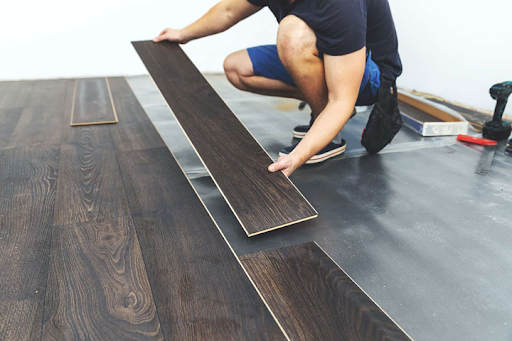
A good natural wood for flooring resists wear, stays stable in your climate, matches your style, and fits your budget over the long term. Oak, maple, and hickory rank among the most popular choices for these reasons.
The best species for your home depends on foot traffic, pets, sunlight exposure, and personal taste. A busy household with dogs needs different flooring than a formal living room with minimal traffic.
Rustic Wood Floor Supply offers both solid and engineered hardwood options that meet these criteria. Their selection includes domestic and exotic species suited for residential and commercial projects alike.
Key Factors That Define a Good Natural Wood
Choosing the right wood species requires understanding how different characteristics affect real-world performance. Hardness, stability, and finish all play critical roles.
1. Durability and Hardness
Hardness determines how well a floor resists scratches, dents, and everyday wear. The Janka hardness scale measures this resistance by testing the force needed to embed a steel ball into the wood.
Janka ratings for popular flooring species:
- Hickory: 1,820 lbf (extremely hard)
- Hard maple: 1,450 lbf (very hard)
- White oak: 1,360 lbf (hard)
- Red oak: 1,290 lbf (hard)
- Black walnut: 1,010 lbf (medium)
Higher ratings mean better scratch resistance. Homes with active children, large dogs, or high foot traffic benefit from harder species like hickory or maple. Softer woods like walnut show wear faster but offer warmth and character that some homeowners prefer.
Quick Tip:
When shopping at a hardwood flooring store, ask about Janka ratings for any species you’re considering. This single number tells you more about durability than any marketing claim.
2. Stability, Maintenance, and Finish
Wood moves. It expands when humidity rises and contracts when conditions dry out. This natural movement can cause gaps, cupping, or buckling if the flooring isn’t matched to its environment.
Stability varies by species:
- White oak: Excellent stability, resists moisture well
- Hickory: Good stability despite extreme hardness
- Red oak: Moderate stability, more reactive to humidity
- Maple: Moderate stability, can show seasonal movement
Engineered hardwood offers extra stability for challenging installations. Its layered construction resists expansion and contraction better than solid wood. Basements, concrete subfloors, and radiant heat systems often require engineered products.
Proper maintenance habits make any “good” species perform even better. Regular sweeping, prompt spill cleanup, and humidity control extend floor life significantly. Neglected maintenance makes even the hardest species look worn prematurely.
Popular Natural Woods That Work Well for Flooring
Several species consistently perform well across residential and commercial applications. Each offers distinct advantages depending on your priorities.
1. Oak: The Versatile Classic
Oak is the most popular hardwood flooring species in North America. Both white oak and red oak offer excellent durability, attractive grain patterns, and wide finish versatility.
- White oak has a Janka rating of 1,360 and features a tighter grain pattern. Its closed cellular structure resists moisture better than red oak, making it suitable for kitchens and entryways. White oak accepts gray and cool-toned stains beautifully.
- Red oak rates 1,290 on the Janka scale with a more prominent grain pattern. Its warm undertones complement traditional and rustic interiors. Red oak costs slightly less than white oak in most markets.
Both oak varieties hide wear exceptionally well. The natural grain variation camouflages minor scratches and dents that would stand out on smoother species.
Solid hardwood flooring in oak can be refinished multiple times over its lifespan. A 3/4-inch solid oak floor can be sanded and refinished 8-10 times, potentially lasting over a century with proper care.
2. Maple: Clean and Contemporary
Maple delivers a lighter, more uniform appearance suited for modern and Scandinavian-style interiors. Its pale tones brighten rooms and create a sense of spaciousness.
Hard maple rates 1,450 on the Janka scale, harder than oak. This makes it excellent for high-traffic areas, gyms, and commercial spaces. Professional basketball courts use maple for exactly this reason.
The trade-off is maple’s smooth, consistent grain. While beautiful, this uniformity shows scratches and stains more readily than open-grained species like oak. Dark marks and pet scratches become noticeable quickly.
Maple works best for:
- Homes without large pets
- Lighter color schemes
- Modern or minimalist design styles
- Commercial spaces with regular professional maintenance
Maple accepts stain unevenly due to its dense grain structure. Many installers recommend clear or natural finishes to avoid blotchy results. If you want darker tones, consider a different species rather than staining maple.
3. Hickory and Other Character Woods
Hickory is the hardest domestic wood commonly used for flooring. Its 1,820 Janka rating makes it extremely resistant to dents and scratches, ideal for the most demanding environments.
Beyond hardness, hickory offers dramatic visual character. Color varies from creamy white sapwood to rich brown heartwood, often within the same plank. Grain patterns range from straight to wildly irregular.
This variation suits rustic, farmhouse, and cabin-style interiors. Hickory hides wear exceptionally well because imperfections blend into the natural character. High-traffic areas actually benefit from hickory’s bold appearance.
Other character wood options include:
- Walnut: Rich brown tones, softer feel (1,010 Janka), elegant appearance
- Cherry: Warm reddish hues, moderate hardness, darkens with age
- Ash: Similar to oak with slightly lighter color, good hardness
Walnut deserves special mention for homeowners prioritizing aesthetics over maximum hardness. Its chocolate brown color and flowing grain create sophisticated interiors. The softer rating means more visible wear, but many homeowners accept this trade-off for walnut’s beauty.
Solid vs Engineered: Choosing the Right Construction
The species you choose matters, but so does how the flooring is constructed. Solid and engineered hardwoods each offer distinct advantages.
Solid Hardwood
Solid hardwood consists of one piece of wood, typically 3/4-inch thick. It’s milled from a single timber and can be refinished many times throughout its lifespan.
Solid hardwood advantages:
- Refinishable 8-10 times over its lifetime
- Authentic feel and sound underfoot
- Adds resale value to homes
- Lasts 75-100+ years with proper care
Solid hardwood limitations:
- Requires nail-down installation over wood subfloors
- Not recommended for basements or below-grade spaces
- More susceptible to humidity-related movement
- Higher material cost for premium species
Solid hardwood works best in above-grade living spaces with wood subfloors. First floors, second floors, and main living areas are ideal locations. Homeowners planning to stay long-term benefit most from solid wood’s refinishing potential.
Engineered Hardwood
Engineered hardwood features a real wood veneer (typically 2-6mm thick) bonded to a layered plywood or HDF core. This construction provides excellent stability while maintaining an authentic appearance.
Engineered hardwood advantages:
- Installs over concrete, radiant heat, or in basements
- Resists humidity-related expansion and contraction
- Multiple installation methods (glue, float, nail)
- Often more affordable than solid equivalents
Engineered hardwood limitations:
- Limited refinishing potential (1-3 times for thicker veneers)
- Quality varies significantly by manufacturer
- Thinner veneers cannot be refinished at all
Engineered construction makes sense for basements, concrete slabs, radiant heating systems, and climates with extreme humidity swings. It’s also practical for homeowners who may move within 10-15 years.
Any reputable hardwood flooring store carries both solid and engineered options in popular species. Ask about veneer thickness when comparing engineered products, as thicker veneers allow future refinishing and indicate higher quality.
How to Choose the Best Natural Wood for Your Project?
Matching species and construction to your specific situation ensures long-term satisfaction. Use this checklist to guide your decision.
Traffic level assessment:
- Light traffic (formal rooms, guest bedrooms): Any species works
- Moderate traffic (living rooms, home offices): Oak, maple, or harder
- Heavy traffic (kitchens, entryways, commercial): Hickory or hard maple
Pet considerations:
- No pets: Any species and finish
- Cats or small dogs: Oak or harder with a quality finish
- Large dogs: Hickory with matte or textured finish to hide scratches
Sunlight exposure:
- North-facing or shaded rooms: Any species
- South or west-facing with direct sun: White oak or hickory (resistant to fading)
- Avoid: Cherry and walnut in sunny rooms (dramatic color change)
Style preferences:
- Traditional or classic: Red oak with warm stain
- Modern or contemporary: Maple with clear finish or white oak with gray tones
- Rustic or farmhouse: Hickory with natural variation
Installation location:
- Above-grade with wood subfloor: Solid or engineered
- Basement or over concrete: Engineered only
- Radiant heat system: Engineered with manufacturer approval
When uncertainty remains, consult a knowledgeable flooring supplier. Staff at top brands like Rustic Wood Floor Supply provide species samples, custom quotes, and project-specific recommendations based on decades of installation experience. Seeing and touching actual samples reveals qualities that photos cannot capture.
Conclusion
A good natural wood floor combines the right hardness for your lifestyle, stability for your climate, and aesthetics for your design vision. Oak remains the safest all-around choice for most homes. Hickory handles the toughest conditions. Maple and walnut suit specific style preferences.
The best choice depends on your specific circumstances. Take time to see samples, understand Janka ratings, and match construction type to your installation location. Quality natural wood flooring lasts generations when properly selected and maintained.
Frequently Asked Questions
What is the most durable natural wood for flooring?
Hickory is the most durable domestic hardwood with a Janka rating of 1,820. It resists scratches and dents better than oak, maple, or walnut. Hickory’s dramatic grain variation also hides wear marks effectively in high-traffic areas.
Is it solid or engineered hardwood of better quality?
Neither is inherently better, as they serve different purposes. Solid hardwood offers superior refinishing potential and longevity. Engineered hardwood provides better stability over concrete or in basements. Quality depends on species, construction, and manufacturer rather than type alone.
How long does natural hardwood flooring last?
Solid hardwood flooring lasts 75-100+ years with proper maintenance and periodic refinishing. Engineered hardwood with thick veneers lasts 30-50 years. Lifespan depends on wood species, finish quality, traffic levels, and maintenance habits throughout the floor’s service life.
What natural wood flooring is best for dogs?
Hickory and hard maple resist scratches from dog nails better than softer species. Matte or textured finishes hide marks better than high-gloss. Avoid walnuts and cherries in homes with large dogs. Regular nail trimming also protects any hardwood floor.
Does natural wood flooring increase home value?
Yes. Real hardwood flooring increases home value by 3-5% on average, according to real estate industry data. Buyers consistently prefer hardwood over carpet or laminate. Solid hardwood typically adds more value than engineered, though both outperform non-wood alternatives significantly.
