



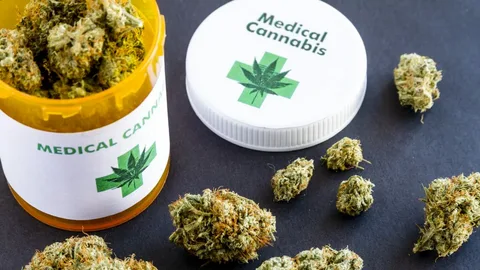
Medical marijuana isn’t cheap. Between the card itself, annual renewals, and regular dispensary visits, costs add up fast. Pennsylvania patients routinely spend $50-$150 per month on products alone—and that’s before factoring in the occasional splurge on a premium concentrate or trying a new product line.
The good news? Pennsylvania MMJ dispensaries want your repeat business, and they’re willing to pay for it. Between loyalty programs, standing discounts, daily deals, and strategic shopping, savvy patients can cut their cannabis costs significantly without sacrificing quality.
Why Loyalty Programs Matter More Than You Think
Nearly every major Pennsylvania dispensary chain runs a loyalty program, and joining costs nothing. The math is simple: you’re going to buy cannabis anyway, so you might as well earn something back.
The standard model works like this: earn one point for every dollar spent, then redeem those points for dollars off future purchases. Trulieve converts 100 points into $5, scaling up to $160 for 2,000 points. Rise operates similarly, letting you cash out at 100-point increments. The programs feel small on any single purchase, but patients who shop regularly watch those points stack into real money over time.
Some programs stand out from the pack. Restore’s points never expire, which matters if you’re not a frequent buyer. Vytal Options takes it further—their points never expire and can be combined with daily discounts, a stacking benefit most competitors don’t allow. On the flip side, Ethos points expire after just 90 days, so patients shopping there need to redeem regularly or lose what they’ve earned.
Beyond the basic earn-and-redeem structure, loyalty programs unlock perks you won’t get otherwise. Birthday bonuses are common—Trulieve drops 100 points into your account on your birthday, while Restore offers 25% off on the actual date. Members-only flash sales, early access to new products, and double-point events all flow through these programs. The dispensary wants your phone number and email so they can market to you, but in exchange, you get access to deals that don’t appear on public menus.
Signing up takes two minutes at checkout or through the dispensary’s website. Do it at every dispensary you visit, even if you don’t plan to return often. Points sitting in an account cost you nothing, and you never know when you’ll be in the area again.
Standing Discounts Add Up Fast
Loyalty programs reward everyone, but certain groups qualify for percentage discounts that apply to every single purchase, year-round.
Veterans receive the most consistent and generous treatment across Pennsylvania dispensaries. Restore leads at 25% off every purchase, every day. Trulieve and Curaleaf both offer 20%. Rise and Beyond Hello provide veteran discounts as well, though the exact percentages vary by location. Bring a military ID, VA-issued card, DD-214, VFW membership, or a driver’s license with the veteran designation. Staff will verify once and note it in your patient profile for future visits.
Seniors qualify at most dispensaries, though the age threshold varies. Restore starts their 15% discount at age 60. Trulieve’s “Wisdom Discount” kicks in at 55, offering 10% off. Curaleaf draws the line at 60. These discounts aren’t always advertised on the wall, so ask at checkout if you’re in the age range.
Patients receiving government assistance often qualify for compassionate care pricing. Restore provides 15% off for SNAP, SSI, and SSDI recipients. Trulieve offers 10% for SNAP participants and runs a separate program providing 15% off for patients meeting Federal Poverty Level guidelines—you’ll need to provide income documentation like a W-2 or benefits statement. Vytal Options has temporarily increased their SNAP/SSDI discount to 30% during certain promotional periods.
Students catch breaks at some locations too. Trulieve gives students 10% off daily, and Vytal Options offers discounts to Penn State students and employees at their State College dispensary.
Industry employees—anyone working in Pennsylvania’s legal cannabis sector—typically receive 10-15% off. Bring a badge or recent paystub as verification.
The real power comes from stacking. At Trulieve, a veteran enrolled in SNAP can combine both discounts with their loyalty points, reaching up to 30% off. Not every dispensary allows stacking, and the rules change, so ask what’s combinable before assuming. But when stacking works, a patient who qualifies for multiple categories can cut their effective price dramatically.
First-Time Discounts: Your Multi-Dispensary Advantage
Almost every dispensary offers a discount on your first purchase. Trulieve typically runs 20% off for new patients. Rise provides 15-20% off. Beyond Hello and Ethos both welcome new patients with percentage discounts.
Vytal Options structures theirs differently—and more lucratively if you’re willing to do the legwork. They offer 0% off your first visit, 25% off your second, and 20% off your third. That might seem backwards until you realize each Vytal location counts separately. With six dispensaries across Pennsylvania, a patient willing to visit each one can stretch those discounts across eighteen visits before exhausting them.
Restore runs a similar multi-location play with their “Tour de Restore” promotion: 30% off your first visit to each of their Pennsylvania locations. Given their footprint across the state, that’s potentially a lot of heavily discounted shopping for patients near multiple stores.
The takeaway: don’t settle into one dispensary immediately. Spend your first few months sampling different locations, stacking first-time discounts across the dispensary landscape, and figuring out which shops actually earn your loyalty. You’ll spend less during that exploration phase and make a more informed decision about where to shop long-term.
Daily Deals and the Art of Timing
Beyond standing discounts, dispensaries run rotating specials that can meaningfully reduce what you pay for specific products.
Most dispensaries publish daily deals on their websites and in-app menus. You might find discounted flower on Mondays, percentage off a specific brand on Wednesdays, BOGO cartridges on Fridays, or clearance pricing on products approaching their sell-by dates. The specifics rotate constantly, which makes paying attention worthwhile.
The best way to stay in the loop: sign up for text alerts and emails from dispensaries you frequent. Yes, your phone will buzz more often, but you’ll catch flash sales and limited-time promotions that never hit the website. Dispensaries also announce surprise deals on Instagram and Facebook, sometimes hours before updating their formal menus. Follow the accounts if social media is part of your routine.
Certain dates matter more than others. April 20th—4/20—is the cannabis industry’s Black Friday, with dispensaries running 20-50% off storewide. Green Wednesday, the day before Thanksgiving, has emerged as another major sale event. December brings end-of-year holiday promotions. If you can plan larger purchases around these dates, you’ll pay significantly less than buying the same products in February.
Shopping Smarter Without Special Qualifications
Even patients who don’t qualify for veteran, senior, or assistance discounts can reduce their spending through straightforward habits.
Comparing prices between dispensaries sounds obvious but pays off consistently. The same cartridge or eighth can vary by $10-20 depending on where you buy it. With most dispensaries posting current pricing online, comparison shopping takes minutes. If multiple dispensaries sit within reasonable driving distance, checking menus before you leave the house becomes worthwhile.
Quantity discounts exist but aren’t always advertised. An eighth of flower might run $50, but a quarter could be $85—effectively lowering your per-gram cost. Dispensaries want to move product, and buying more at once serves their interests too. Only do this for products you’ve already tried and liked, but when the math works, it works.
Ground flower and smalls offer the same cannabis at lower prices. Premium whole-flower eighths command premium prices because they photograph well and feel luxurious. Ground flower—pre-milled cannabis—costs 20-40% less because it skips the presentation. “Smalls,” the smaller buds from the same plants, get discounted for similar reasons. If you’re loading a vaporizer anyway, appearance doesn’t affect the experience. This is easy savings for patients who don’t mind the tradeoff.
Clearance sections exist at most dispensaries and rarely get attention. Products approaching expiration dates or being discontinued get marked down to move inventory. The cannabis inside remains perfectly good—it’s just older or being phased out. Staff can point you toward current clearance items, or you can filter online menus for deals.
The Card Costs Money Too
Savings don’t stop at the dispensary counter. Getting and maintaining your Pennsylvania medical marijuana card involves fees worth minimizing.
The state charges $50 annually for registration. However, patients enrolled in Medicaid, SNAP, WIC, CHIP, or PACE/PACENET qualify for a full waiver. That’s $50 back in your pocket every year just for submitting the right documentation.
Physician certification typically costs $149.99 for the initial evaluation, with renewal consultations running $50-$100. MMJ.com offers competitive pricing for telehealth evaluations, letting you complete the process from home without paying for travel or taking time off work. Shopping around for certification costs makes sense—the price varies between providers, and the outcome is the same regardless of who you see.
Some dispensaries offer renewal bonuses when you’ve just renewed your state card. Curaleaf has run promotions giving $75 off a $150 purchase for patients with fresh renewals. Time your dispensary visits around renewal when possible, and ask about current promotions.
Putting It Together
The savings available to Pennsylvania medical marijuana patients are real, but they require some effort to capture.
Consider a veteran spending $100 per month at dispensaries—$1,200 annually at full price. A 20% veteran discount drops that to $960. Loyalty points returning roughly 5% save another $48. Two major purchases timed around 4/20 and Green Wednesday might save another $50-100. Occasional clearance shopping adds $50-75 more. That $1,200 becomes $700-800 for the same amount of product.
Even medical marijuana card holders without special qualifications can realistically save 15-25% by consistently using loyalty programs, watching for sales, and shopping strategically. The key is building habits: always sign up for loyalty programs, always ask about available discounts at checkout, and always check menus before driving to a dispensary.
Medical marijuana costs add up. But Pennsylvania’s competitive dispensary landscape means patients willing to pay attention can keep more money in their pockets while getting the same products they’d buy anyway.
Getting Started
These savings require a valid Pennsylvania medical marijuana card. The process starts with registering through the state’s online portal, then seeing a certified physician for evaluation. MMJ.com offers telehealth appointments that make certification simple—complete your evaluation from home and get certified without the hassle of scheduling around a doctor’s office.
Once you have your card, every dispensary in Pennsylvania opens up, along with every loyalty program, discount, and deal they offer.
