



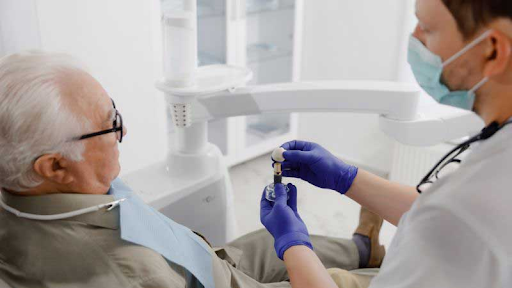
I vividly remember meeting Mrs. Thompson one day, a kind woman in her early 80s. She complained of experiencing pain and discomfort while speaking and eating her meals. I was shocked to know that it had been over a year since she last saw a dentist. She believed it all to be a natural part of aging. Unfortunately, things had gotten pretty bad by the time I got a chance to examine her. Her gums were inflamed, and she had advanced tooth decay. It could have been prevented if she had noticed the early signs of oral problems.
As a dental professional, I have spent years walking alongside families and seniors, helping them navigate the complexities of aging and oral health.
Many seniors often ignore subtle oral health changes, either because they cannot recognize them or because they believe it is just a normal part of getting older.
Unfortunately, ignoring these symptoms leads to more severe complications. For us as caregivers, providing dental care for senior citizens involves more than just keeping them able to eat and smile; it additionally means maintaining their comfort, dignity, and capacity to carry out daily activities.
This article will highlight some of the common early signs of oral problems in seniors, why catching them early matters, and how we as dental professionals, caregivers, and family members can help seniors maintain healthy, dignified lives through early intervention.
Early Detection is the Key to Better Oral Health for the Elderly
When it comes to geriatric oral health, the sooner the problems are identified, the better the outcomes will be. Senior people experience a number of physical changes as they age, which affects their oral health along with other body processes. Oral health can be negatively impacted by aging due to decreased salivary flow, compromised immune systems, and heightened susceptibility to chronic illnesses. But by identifying early signs of oral issues and acting fast, we can help our seniors avoid unnecessary pain and long-term complications.
Oral health does not just impact teeth. It affects the whole body. Poor oral hygiene can contribute to issues like heart disease, diabetes, stroke, and respiratory infections, all of which are common among older adults. According to the CDC, over 70% of seniors over the age of 65 suffer from tooth loss that is primarily caused by periodontal disease among seniors.
Common Early Signs to Watch for Oral Health in Seniors
Many oral problems in seniors are preventable with early detection and care. The early signs of these problems can be subtle, but they should never be ignored. Here are the most common symptoms that seniors or caregivers should look for.
1. Persistent Bad Breath (Halitosis)
Bad breath is common after eating or when a person wakes up, but if it becomes persistent, it could indicate an underlying issue. Chronic bad breath, or halitosis, is often caused by poor oral hygiene, gum disease, or tooth decay. However, in seniors, dry mouth (xerostomia) is also a common cause, as it can be a side effect of medications that are prescribed frequently.
Why does this matter?
- Chronic bad breath is often a sign of gum disease (gingivitis) or tooth decay, which, if left untreated, can lead to loss of teeth and more serious health complications.
- Dry mouth, which is more common in seniors, can make it more difficult to eat and speak. It can also increase the risk of cavities and gum infections.
What to do?
- Encourage seniors to drink plenty of water to keep the mouth moist.
- Remind them to brush twice a day with a fluoride toothpaste and floss regularly.
- If bad breath persists, consult a dentist for a thorough examination to rule out gum disease or any other such issues.
2. Swollen or Bleeding Gums
Healthy gums are usually firm and pink, with no signs of swelling or bleeding. However, if you notice your senior loved one’s gums are red, swollen, or bleed when brushing or flossing, it could be a sign of gum disease (gingivitis), which can progress to periodontitis if not addressed.
Why does this matter?
- Gum disease is one of the primary causes of tooth loss in seniors.
- Untreated gum disease can also be linked to heart disease and other chronic health conditions, making it vital to address it as early as possible.
What to do?
- Ensure that seniors brush gently with a soft-bristled toothbrush and floss carefully around the gum line.
- If bleeding continues, it is time to visit a dentist for a professional cleaning and assessment. For seniors who have trouble getting to the dentist on a regular basis due to mobility concerns, mobile hygiene services are a great alternative.
3. Tooth Sensitivity
If a senior experiences pain or discomfort when consuming very hot or cold foods or drinks, it could be a sign of tooth sensitivity. This condition might be caused by worn enamel, gum recession, or decay.
Why does this matter?
- Sensitive teeth can indicate that the enamel has worn away, exposing the sensitive nerve endings in the teeth.
- If not treated early, this sensitivity can lead to decay or further gum recession, which can be more difficult and expensive to treat later.
What to do?
- Encourage seniors to use toothpaste specifically designed for sensitive teeth.
- Avoid acidic foods or drinks that can exacerbate sensitivity.
- If the problem persists, consult a dentist to evaluate the cause and determine the appropriate treatment.
4. Loose or Missing Teeth
Tooth loss in seniors is not uncommon, but it is also not something that should be left untreated. Loose teeth or gaps in the mouth could indicate advanced gum disease, bone loss, or untreated decay. Missing teeth can cause difficulty while chewing and speaking, which can affect their quality of life significantly.
Why does this matter?
- Tooth loss can lead to problems with eating and speaking, which can cause seniors to avoid social situations, affecting their mental health and self-esteem.
- The sooner we address tooth loss, the better the treatment options, whether through dentures, implants, or other solutions.
What to do?
- If a senior experiences loose teeth, visit the dentist as soon as possible. In some cases, mobile dental hygiene services can provide immediate support and guidance.
- Dentures, implants, or bridges may be necessary to restore function and appearance, but the earlier they are considered, the more effective the treatment will be.
5. Difficulty Chewing or Speaking
When chewing or speaking becomes difficult or painful, it could be a result of missing teeth, improperly fitting dentures, or gum disease. For seniors, this can lead to social isolation, poor nutrition, and frustration.
Why does this matter?
- Difficulty eating often leads to nutritional deficiencies, which can aggravate health issues in older people.
- Difficulty speaking can affect social interactions, leading to feelings of isolation and depression.
What to do?
- Encourage regular checkups for denture fit and oral exams to catch issues early.
- If chewing or speaking is difficult, a dentist or mobile hygiene service can provide solutions like denture adjustments or recommend other treatments.
How Mobile Hygiene Services Can Help Prevent Oral Problems in Seniors
As seen, the early signs of oral problems in seniors are often subtle but critical. Many seniors face barriers that prevent them from receiving traditional dental care, such as limited mobility, chronic conditions, or lack of transportation. This is where mobile hygiene services can make all the difference.
- Mobile dental hygiene services bring professional care directly to seniors, making it easier for them to receive the care they need in a comfortable, familiar environment.
- Mobile services provide professional cleanings, exams, and treatment in nursing homes, assisted living facilities, or private homes, which is particularly helpful for those with mobility challenges.
If a loved one is struggling to access traditional dental care, research mobile hygiene services in your area. Regular cleanings, early detection and prevention of oral health problems, and guidance on oral hygiene maintenance are all possible with these services.
Promoting Dignity and Comfort through Early Intervention
It is our responsibility as caregivers, dental professionals, and family members to ensure that seniors receive timely, effective oral care. It is critical to identify oral health issues early on in order to avoid pain, discomfort, and more serious health problems. However, maintaining dignity is more crucial. For seniors, a smile is much more than just a pretty face. It has an impact on their confidence to engage with the outside world and their sense of self-worth.
When we identify and address oral health issues early on, we help our seniors with their ability to eat well, speak confidently, and smile without fear or pain. We must take proactive steps and ensure that they enjoy their golden years confidently and comfortably.
Empower Seniors with Better Oral Health
If you are a caregiver, family member, or dental professional, it is time to take action. We all play a crucial role in supporting oral hygiene for our elders.
Recognizing and treating the early signs of oral problems in seniors is key to ensuring they live a healthy, happy life.
Together, we can empower seniors to live their lives with dignity and embrace aging gracefully.
