



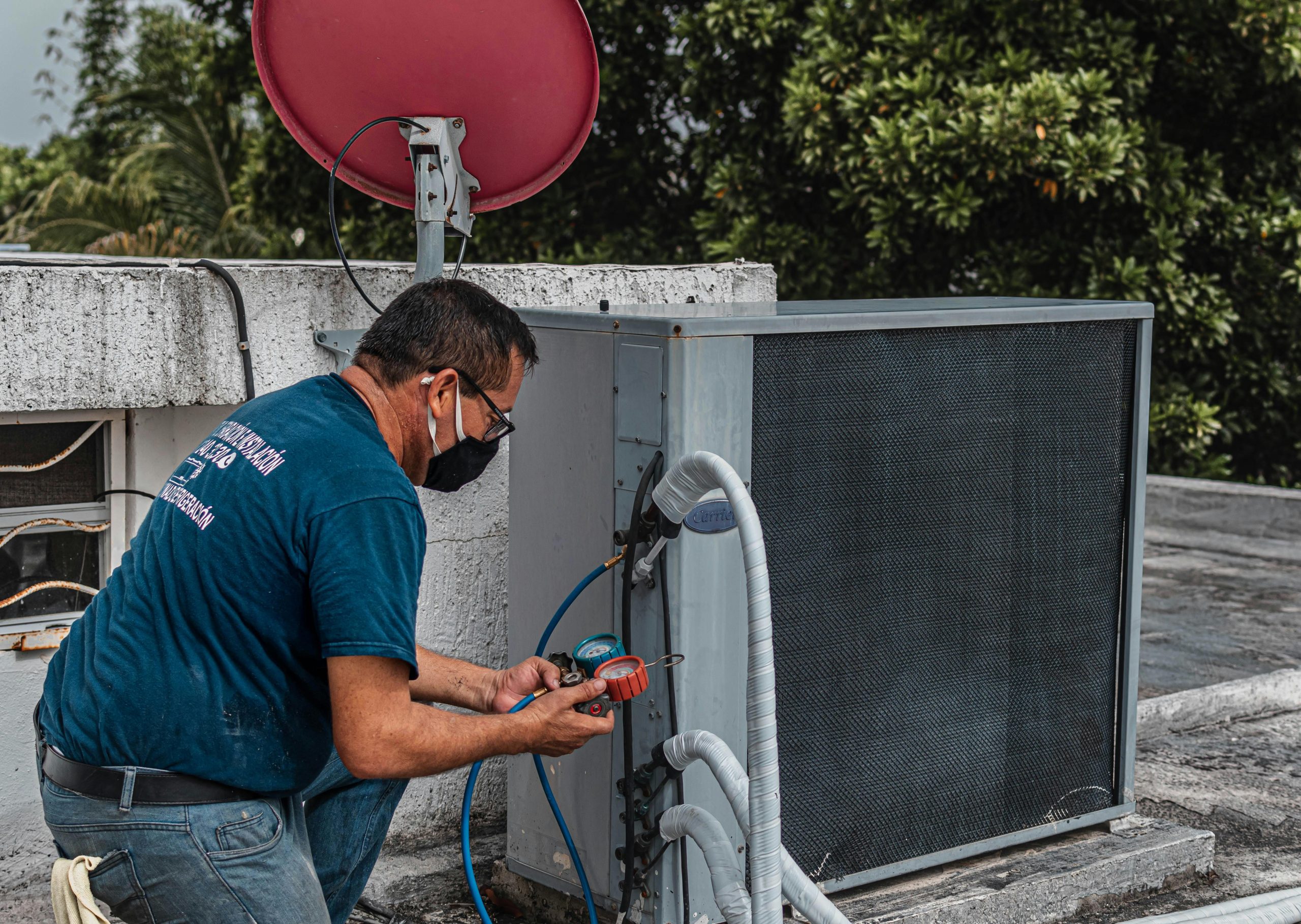
Imagine you are relaxing on a quiet Tuesday evening when suddenly a loud, metallic thud echoes through your living room. It sounds as if someone is trapped in your ductwork, or perhaps a restless spirit has taken up residence in your attic. These “ghosts” in the vents are rarely supernatural, but they are almost always a plea for help from your cooling system.
When your air conditioner starts communicating through bangs, shrieks, or rattles, it is using the only language it has to warn you of a struggle. Ignoring these sounds won’t make them disappear; in fact, they usually grow louder as the underlying problem worsens. Understanding these mechanical cries for help is the first step toward restoring the peace and quiet of your home.
Identifying the Source of the Heavy Banging
A sudden banging or clanking sound is often the most alarming noise a homeowner can encounter. This typically points to a physical component that has come loose and is now striking the internal housing of the unit. It might be a connecting rod, a piston pin, or even a fan blade that has bent out of shape and is hitting a metal guard.
If you hear this rhythmic thumping, it is vital to turn the system off immediately to prevent “collateral damage.” When a heavy part breaks free at high speeds, it can act like a pinball, destroying everything in its path within seconds. Taking quick action can be the difference between a simple part replacement and needing a total home ac repair to fix a shattered compressor.
Deciphering the High-Pitched Screeching Alarm
While a bang sounds like a ghost, a screech sounds like a siren. This high-pitched shriek usually originates from the outdoor condenser unit or the indoor blower motor. In many cases, it is simply a fan belt that has slipped, frayed, or dried out over time, causing it to squeal against the metal pulleys.
However, if the sound is more of a metallic “scream,” it could indicate that the bearings in your motor are failing. These bearings allow the fan to spin smoothly, but without proper lubrication, metal begins to grind against metal. If you catch this early, a technician can often lubricate the parts or replace the motor before the entire system seizes up during a heatwave.
Understanding the Rhythmic Rattling and Vibration
Not all AC noises are loud enough to wake the neighbors; some are just a persistent, annoying rattle. These sounds often start small, like a loose screw or a panel that isn’t quite fastened tight enough. Over time, the constant vibration of the machine turns that tiny wiggle into a rhythmic tapping that can be heard through the floorboards.
Rattling can also occur if sticks, leaves, or gravel have fallen into the outdoor unit’s fan cage. As the blades spin, they kick this debris around like a dryer full of sneakers. While it might seem harmless, this debris can eventually chip the fan blades, leading to a much louder and more expensive “unbalanced” motor issue later on.
Analyzing the Persistent Clicking and Hissing
Clicking is perfectly normal when your system first kicks on or shuts down for the cycle. It is the sound of electrical relays doing their job to send power where it needs to go. However, if your unit is clicking rapidly without starting, or if it clicks constantly while running, you are likely looking at an electrical “glitch” or a failing capacitor.
On the other hand, a hissing sound is usually the telltale sign of a refrigerant leak. Think of it like a tiny hole in a pressurized tire; the air escaping creates a distinct “hiss” or “whistle” as the pressure drops. Because refrigerant is a specialized chemical, this isn’t a DIY fix and requires a professional to seal the leak and recharge the system to keep it cooling efficiently.
Responding to the Sounds of Mechanical Distress
The way you respond to these sounds will determine how long your air conditioner lasts. Think of your AC like a car; you wouldn’t keep driving if the engine started screaming or banging loudly. The same logic applies to your home’s comfort system. Shutting it down at the first sign of trouble protects the expensive internal components from being overworked or destroyed.
Many of these “ghosts” are actually quite easy to exorcise if they are caught in the early stages. Routine maintenance is the best way to prevent these noises from ever starting in the first place. By staying tuned into the sounds of your home, you can catch minor issues before they turn into major mid-summer emergencies, ensuring your vents stay quiet and your air stays cool.
Ending the Haunting in Your Ductwork
At the end of the day, your air conditioner is a complex machine with dozens of moving parts working in perfect harmony. When that harmony is disrupted, the resulting noise is a clear signal that the system is under a significant amount of stress. Being a proactive homeowner means listening to those signals and acting before the system reaches a total breaking point.
Don’t let a “ghost in the vents” ruin your sleep or your budget this summer. Most of these sounds are predictable and preventable with the right care and attention. By understanding the difference between a minor rattle and a major shriek, you can maintain a comfortable, quiet home all year long. A little bit of listening today can save you a world of trouble tomorrow.
