



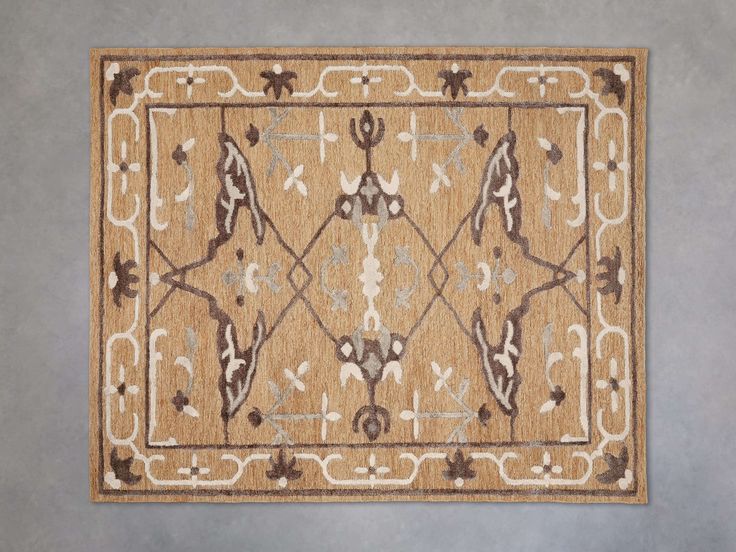
In a marketplace flooded with mass-produced decor, finding something that truly lasts feels rare. We often settle for fast furniture and disposable accessories, knowing they will need replacing in a few years. But some items defy this trend. Hand knotted rugs stand apart as enduring examples of patience, skill, and history.
These are not just floor coverings. They are textile art pieces that take months, sometimes years, to complete. As more homeowners turn away from factory-made goods, the appreciation for authentic craftsmanship grows. People want connection and story in their homes, not just products. Hand-knotted rugs offer exactly that—a tangible link to a centuries-old tradition that values quality above speed.
The Craftsmanship Behind Hand-Knotted Rugs
Making a hand-knotted rug is an intense, labor-heavy process. It does not happen on an assembly line. It happens on a vertical loom, where skilled weavers work knot by knot to create complex patterns.
The Weaver’s Technique
The process begins with the loom. The weaver stretches vertical threads, known as the warp, across the frame. These threads form the rug’s foundation. The weaver then ties individual knots of colored yarn around these warp threads. After completing a row of knots, they insert a horizontal thread, called the weft, to secure the row in place. They pack the knots down tightly with a heavy comb-like tool.
This cycle repeats thousands of times. A single rug can contain hundreds of thousands of individual knots. The density of these knots determines the rug’s strength and the sharpness of its design. It requires steady hands and immense focus. There are no shortcuts here.
Materials Matter
You cannot build a masterpiece with poor ingredients. Hand-knotted rugs typically use premium natural fibers.
- Wool: The most common material, prized for its durability and softness. High-quality wool contains natural lanolin, which helps repel stains.
- Silk: Used for intricate highlights or luxurious full-silk rugs. It adds a natural sheen and allows for incredibly fine detailing.
- Cotton: Often used for the foundation (warp and weft) because it provides a strong, tension-resistant base for the wool or silk knots.
These natural materials age gracefully. Unlike synthetic fibers that become brittle and dull, wool and silk often look better over time, developing a unique patina that adds character.
Superior Quality: What Sets Hand-Knotted Rugs Apart?
When you compare a hand-knotted rug to a machine-made alternative, the difference in quality is stark. It comes down to construction integrity.
Built for Longevity
Hand-knotted rugs are incredibly durable. Because the pile is tied directly to the foundation, the rug holds together through physical tension. There is no glue involved. This construction allows the rug to handle heavy foot traffic for decades. With proper care, these rugs often survive for 50 to 80 years, frequently passing down through families as heirlooms.
In contrast, machine-made rugs (often called hand-tufted or power-loomed) rely on adhesives. Machines punch strands of wool into a canvas backing and seal them with latex glue. Over time, this glue dries out, crumbles, and releases a fine dust. Once the glue fails, the tufts fall out, and the rug deteriorates.
The Value of Imperfection
Machine-made rugs look uniform and perfectly symmetrical. Hand-knotted rugs carry the weaver’s signature. You might find subtle variations in the pattern or slight shifts in color, known as “abrash.” These occur when weavers switch to a new batch of dyed wool. These nuances are not flaws; they are proof of human touch. They give the rug life and personality that a machine cannot replicate.
Buying Hand-Knotted Rugs Online in India
India has a rich history of rug weaving, with regions like Bhadohi and Jaipur serving as global hubs for textile art. Today, accessing this craftsmanship is easier than ever. You can browse extensive collections and buy rugs online India wide, connecting directly with manufacturers and specialized retailers.
Tips for Purchasing Rugs Online
Buying a high-value item without touching it first can feel daunting. However, you can make a safe purchase by checking a few key details.
- Check the Back: The back of a rug tells the true story. On a hand-knotted rug, the pattern on the back should mirror the front clearly. You should see the individual knots. If the back is covered with a canvas cloth, it is likely hand-tufted, not hand-knotted.
- Count the Knots: Look for information on Knots Per Square Inch (KPSI). A higher KPSI usually indicates a finer, more durable rug.
- Review the Materials: Ensure the listing specifies natural materials like 100% wool or a wool-silk blend. Avoid listings that are vague about fiber content.
- Verify the Colors: Monitors display colors differently. Ask the seller for photos in different lighting conditions (daylight vs. indoor lighting) to understand the true palette.
Finding Reputable Sellers of Handcrafted Rugs in India
When searching for Handcrafted Rugs in India, look for sellers who are transparent about their sourcing. Reputable brands often share stories about their weavers and the regions they work in. They should provide certificates of authenticity that verify the rug’s origin and manufacturing method.
Trustworthy online stores also offer clear return policies. Since a rug impacts the look of a whole room, you need the option to return it if it doesn’t fit your space perfectly. Customer reviews and detailed product descriptions are also strong indicators of a reliable vendor.
Caring for Your Hand-Knotted Rug
You made the investment; now you must protect it. While hand-knotted rugs are tough, they are not indestructible. Proper maintenance keeps them looking vibrant.
Routine Maintenance
- Vacuum Carefully: Dirt acts like sandpaper, grinding down the fibers. Vacuum your rug regularly to remove dust. However, avoid using the beater bar (the rotating brush) on the vacuum cleaner, as it can pull loose fibers or damage the knots. Use the suction-only setting or a gentle floor tool.
- Rotate Often: Foot traffic and sunlight can cause uneven wear and fading. Rotate your rug 180 degrees every six months to ensure it ages evenly.
- Address Spills Immediately: If you spill a drink, do not rub the stain. Rubbing pushes the liquid deeper into the fibers. Instead, blot the area firmly with a clean, white cloth to absorb moisture.
Professional Cleaning
Even with regular vacuuming, your rug needs a deep clean every 3 to 5 years. Do not attempt to steam clean a hand-knotted rug yourself. The heat and moisture can shrink the wool or cause dyes to bleed. Send it to a professional rug cleaner who specializes in hand-washing. They will remove the deeply embedded grit that standard vacuums miss, restoring the wool’s natural luster.
A Timeless Addition to Your Home
Hand-knotted rugs offer more than just a soft surface to walk on. They bring history, artistry, and unmatched durability into your living space. While the initial cost is higher than a factory-produced alternative, the longevity and beauty of the piece provide value that far exceeds the price tag.
When you choose a hand-knotted rug, you support a legacy of skilled artisans and bring a piece of that tradition into your own story. Whether you choose to visit a showroom or buy rugs online India, you are acquiring a functional masterpiece built to stand the test of time.
