



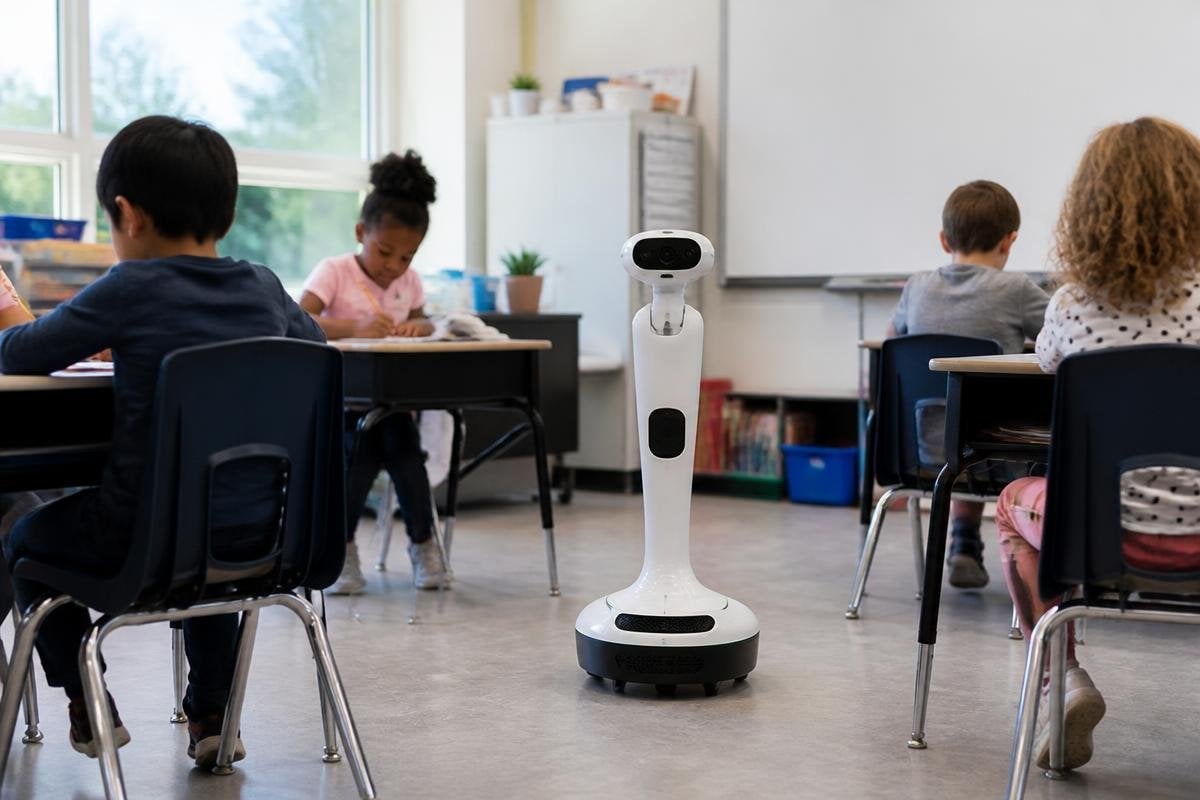
A classroom robot may need a camera, microphones, location data, and a network connection to work. Those parts can also record details about children who never agreed to take part in a robot trial.
The privacy risk depends on what the robot collects, where it sends that data, how long the school keeps it, and who can access it.
Quick read
- Cameras and microphones can record students beyond the task at hand.
- Voice, face, location, and behavior data can reveal more than a name.
- Schools should test the robot with the least data needed for the lesson.
Why a classroom robot gathers personal data
Classroom robots need sensors to see people, hear commands, avoid furniture, and move through a room. A teaching robot may also store speech, images, lesson answers, or movement records so its software can respond later.
That creates a wide collection area. A camera aimed at a work table may also record nearby students. A microphone waiting for a command may pick up private talk. Location data can show where a child sits, who they work with, and how often they leave the room.
The robot may send some of this information to a school server or a remote service. Once data leaves the classroom, the teacher may not know which systems hold it or how many people can reach it.
The data can reveal more than a name
A student record can identify a child directly, but other details can identify them when combined. A voice recording may point to one student. A face image, seat location, time of day, and lesson response can form a detailed record of classroom behavior.
That record may include sensitive details. Speech can reveal a student’s accent, home language, health concern, or family situation. A robot that logs mistakes and response times may create a lasting view of a child’s learning pace, even when the lesson only needed one spoken answer.
Biometric data deserves extra care. Face, voice, and body movement can be used to recognize a person. Unlike a password, these traits are part of the body and cannot be replaced after a leak.
A school also needs to separate teaching data from discipline data. A robot log made to help a student practice reading should not quietly become a behavior file.
Where the records may go
The robot itself may hold little data. Its app, cloud service, camera software, or speech system may hold much more. A school needs a clear map of that path before students use the robot.
A classroom robot’s privacy record starts with the maker, app, sensors, and data path named. Robot 24 can place those facts beside the school’s contract questions, including who may use the data and how long they keep it.
The contract matters as much as the robot. Schools should check if the supplier can use student data to train software, share it with service providers, move it across borders, or keep it after the school ends the service. A vague answer leaves the school carrying the risk without knowing the full chain.
Security failures add another route to harm. A weak account, an exposed dashboard, or an old robot connected to the school network can give someone access to stored records. The risk grows when many staff accounts share one login or when the robot keeps data longer than the lesson needs.
What a safer classroom trial looks like
Privacy work should start before the first student enters the room. The school can test the lesson with printed prompts, dummy accounts, or data that cannot identify a child. If the robot works without face recognition, face recognition should stay off.
Teachers also need a clear signal when recording is active. A visible light or on-screen notice helps students know when the robot hears or sees them. That notice doesn’t replace consent, but it makes hidden collection less likely.
I’d keep classroom robots off the open school network until the supplier shows exactly what leaves the room and why.
The school should give families a plain explanation of the trial. It should name the sensors, the data types, the storage location, the retention period, and the deletion process.
The explanation should also show how a student can take part in the lesson without giving extra personal data.
Privacy checklist for schools
Use this list before approving a classroom robot:
- List each sensor: Record what the camera, microphone, LiDAR, and other parts can collect.
- Limit the task: Turn off face matching, continuous recording, and location logs when the lesson doesn’t need them.
- Map the data path: Ask which system receives each file, who can access it, and where it is stored.
- Set a deletion date: Choose a short retention period and check that deletion really happens.
- Test an offline mode: Find out if the lesson can run without a remote account or cloud connection.
- Plan the alternative: Give students another way to complete the work if they or their family decline.
A classroom robot can still support teaching while collecting less data. The deciding measure is not how much the robot can sense; it’s how little information the lesson can use and then delete. Before a school buys the machine, it should be able to answer one plain question: what remains about a student after the class ends?
