



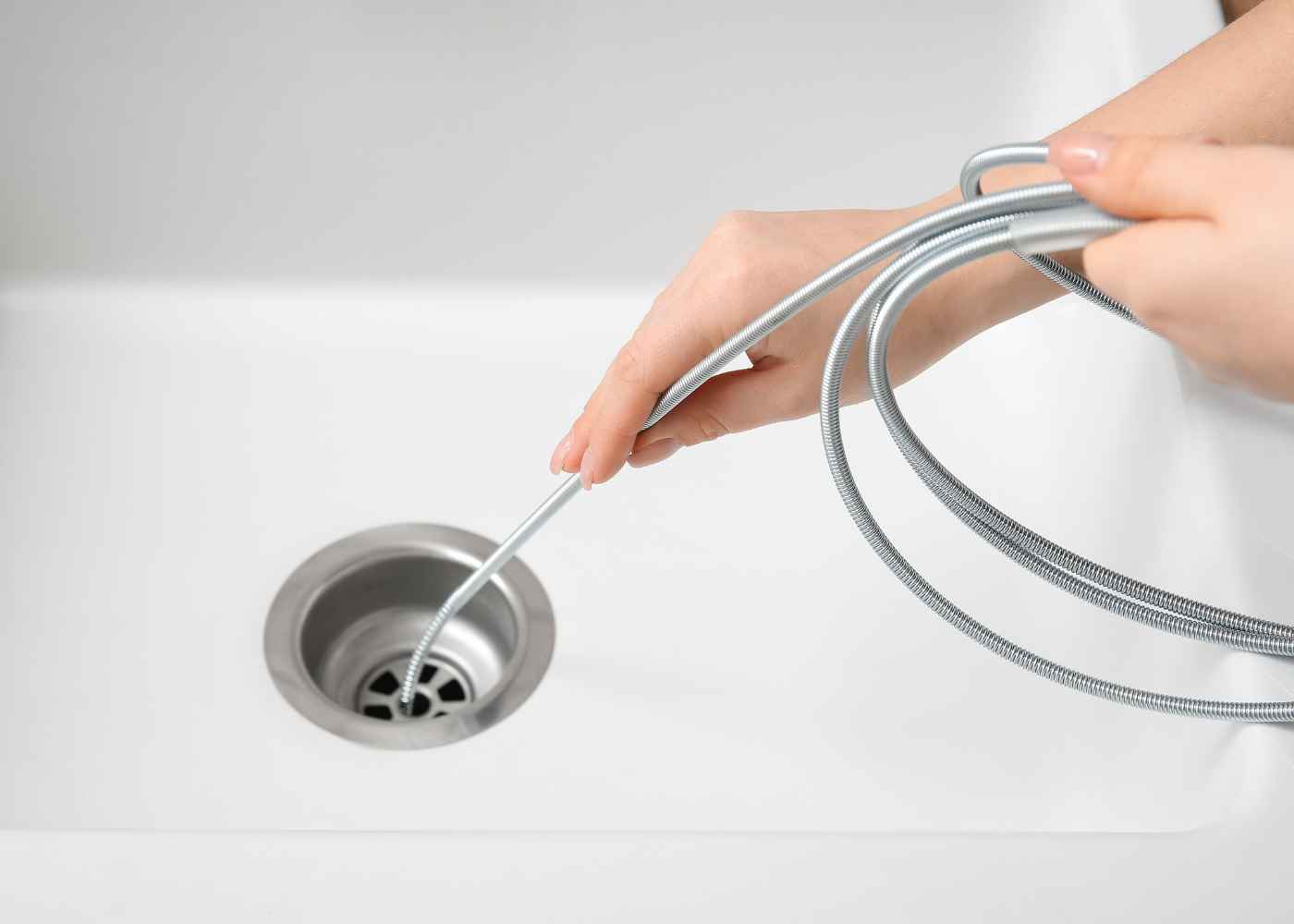
Residential plumbing systems represent substantial infrastructure investments affecting daily living quality, property values, and long-term maintenance costs that proper care protects while neglect allows deterioration through problems, including drain clogs that seem minor initially but create cumulative damage eventually requiring expensive repairs or complete pipe replacement that preventive maintenance would have avoided.
The tendency to ignore slow drains or dismiss minor clogs as insignificant inconveniences overlooks how these issues signal developing problems that worsen progressively when left unaddressed, creating conditions where minor interventions that would have sufficed give way to major repairs that are necessitated.
Understanding how preventing drain clogs protects plumbing investments reveals why proactive drain maintenance proves financially prudent beyond simple convenience, with regular cleaning, proper usage practices, and timely problem resolution all contributing to system longevity that reactive approaches, waiting for complete blockages, cannot preserve despite seemingly avoiding unnecessary service expenses.
Preventing Pipe Corrosion and Material Degradation
Drain clogs create standing water and trapped debris that chemical reactions accelerate within pipes, with organic materials decomposing and releasing acids that metal pipes corrode, while chemical drain cleaners that homeowners use to attempt to clear clogs often damage pipe interiors through caustic actions that compromise material integrity. These corrosive conditions prove particularly problematic for older galvanized steel or cast iron pipes, where interior coatings protecting base metals from corrosion get breached by aggressive chemicals or prolonged waste contact.
The corrosion progression eventually creates leaks, pipe failures, or complete blockages requiring pipe replacement that costs substantially more than preventive drain cleaning that would have maintained clear flow, preventing corrosive conditions from developing. Even modern PVC pipes suffer degradation from chemical cleaners that repeated use weakens through material breakdown that manufacturing specifications didn’t anticipate for normal operation, but that chemical exposure creates.
Preventing clogs eliminates the temptation to use harsh chemical drain cleaners that quick fixes seem to provide, but that long-term damage creates through repeated applications that professional mechanical cleaning would have avoided, while more effectively removing blockages without pipe damage.
Avoiding Pressure Buildup and Joint Stress
Partial drain clogs create flow restrictions that water pressure increases behind blockages, stressing pipe joints, seals, and connections that normal flow wouldn’t strain significantly. This pressure particularly affects older plumbing where joint compounds have aged, where threaded connections have loosened slightly, or where soldered joints have developed microscopic weaknesses that pressure surges from restricted flow exploit.
The joint stress accumulates over time as repeated clogs create pressure spikes that gradual weakening causes until failures manifest through leaks requiring emergency repairs and potential water damage that prevention would have avoided entirely. The stress also affects fixtures and appliance connections, where excess pressure from downstream clogs forces water backwards, creating problems at washing machines, dishwashers, or other connected appliances.
Maintaining clear drains ensures normal pressure conditions throughout plumbing systems, preventing the stress concentrations that blockages create at vulnerable points where failures develop from conditions that free-flowing drains don’t impose on infrastructure.
Protecting Against Sewer Line Backup Damage
Main sewer line clogs create catastrophic problems when wastewater backs up into homes through the lowest drain points, including basement floor drains, showers, or toilets, and sewage overflow damages property extensively while creating health hazards that cleanup costs magnify substantially. These severe blockages often develop gradually through accumulated buildup that branch drain clogs contribute to when flushed materials add to main line deposits.
Preventing branch drain clogs reduces materials entering main lines, while regular drain maintenance includes inspecting for developing main line restrictions that video inspection identifies before complete blockages occur. This preventive approach avoids the emergency situations that sewer backups create through property damage, displacement during remediation, and health concerns that raw sewage exposure presents.
Maintaining Proper Drainage Speed and Fixture Function
Slow drains annoy users while signaling developing clogs that intervention should address before complete blockages develop, requiring emergency service. The drainage slowness also affects fixture function, with sinks holding standing water, showers pooling during use, and toilets requiring multiple flushes that user experience degrades through inadequate drain capacity. When addressing drain maintenance needs, selecting experienced providers like Metro Flow Plumbing when choosing companies for drain cleaning services ensures proper blockage removal, minimal pipe disruption, and comprehensive solutions rather than temporary fixes that recurring problems necessitate through incomplete cleaning.
Preventing drain clogs protects plumbing investments through avoiding corrosion, reducing pressure stress, preventing backup damage, and maintaining proper function that together extend system lifespans while avoiding expensive repairs that neglect eventually necessitates.
