



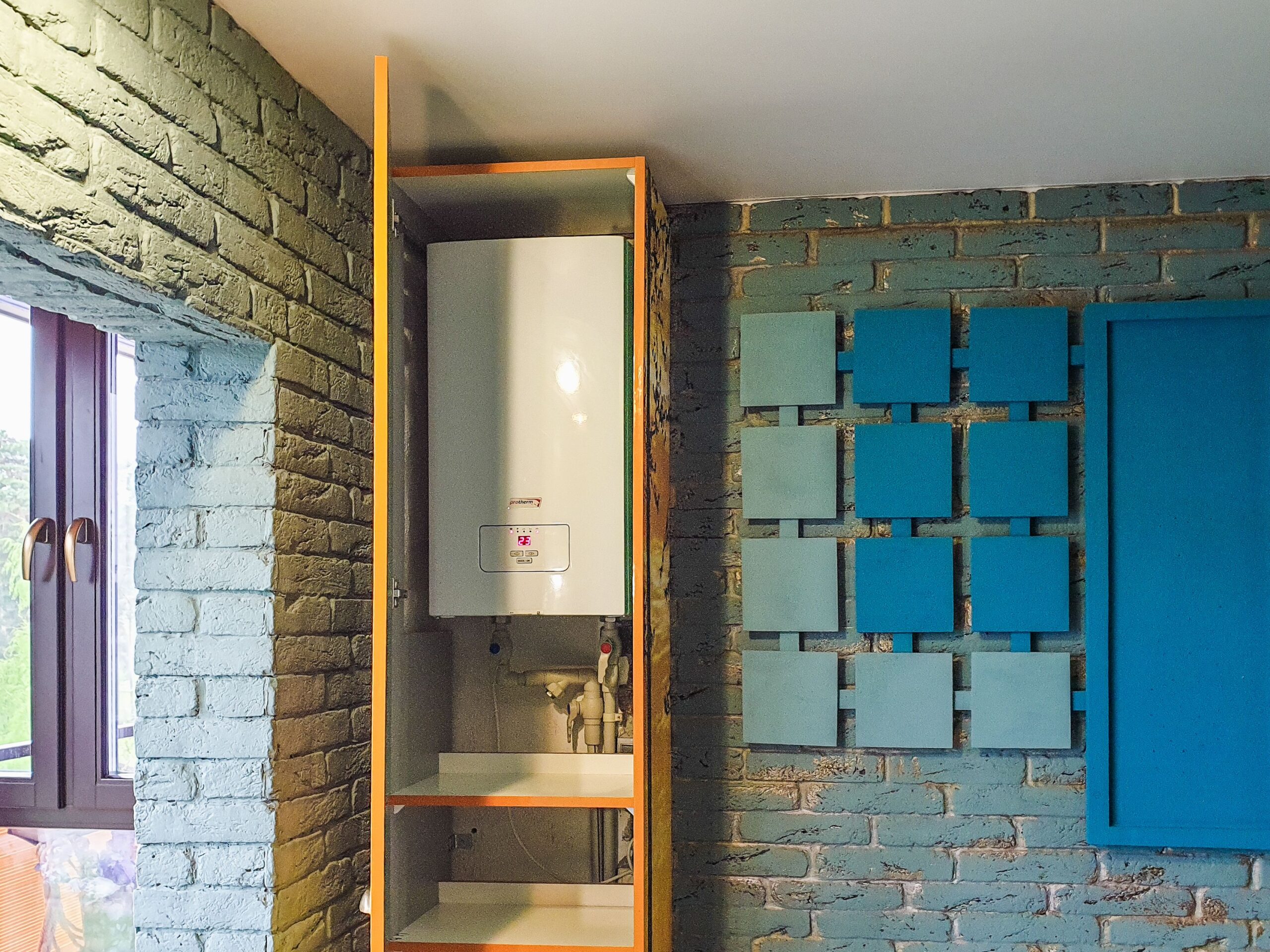
Every month, homeowners across the United States open their utility bills and look for ways to trim down their household expenses. One of the largest hidden energy hogs in the average American home is the traditional water heater, which constantly burns fuel to keep dozens of gallons of water hot all day and night. This outdated method of heating means people are paying to warm water they might not use for hours at a time.
As utility rates climb, families are looking for smarter alternatives to protect their hard-earned money. Upgrading to a modern, on-demand heating system has become a popular option for those trying to control monthly infrastructure costs. Understanding how these systems alter energy consumption can help consumers decide if making the switch is a smart financial move.
Eliminating Standby Energy Losses Entirely
Traditional water heaters keep a massive tank of water hot around the clock, cycling on and off even when a family is asleep or away. This wasteful process, known as standby energy loss, acts like a slow leak in a household budget. It steadily consumes gas or electricity when nobody is home, driving up utility expenses unnecessarily.
On-demand units solve this financial problem by completely removing the storage tank from the equation. These systems only activate when a hot water tap is turned on somewhere in the house, flashing the water to the desired temperature instantly. By heating water strictly on demand, homeowners stop paying for empty cycles and instantly lower their baseline utility demands.
Analyzing Real Monthly Dollar Savings
The actual amount of cash a household saves every month depends heavily on how much hot water the family uses on a daily basis. According to the United States Department of Energy, homes using a moderate amount of daily hot water experience significant efficiency boosts over older tank models. These efficiency gains translate directly into lower monthly gas or electricity statements right away.
For most families, this drop in energy consumption equates to saving a substantial amount of money over the course of a single year. To get a clearer picture of these potential utility drops, homeowners often look at real-world hardware performance data from regional service companies.
For instance, people frequently research specific system configurations, such as a high-efficiency tankless water heater, to estimate their potential monthly breakdown. This research allows consumers to balance the initial installation investment against the predictable, long-term operational savings.
Factoring In the Extended Lifespan
When calculating a home upgrade’s true financial value, looking beyond immediate utility statements is vital. Traditional tank water heaters have a relatively short lifespan, usually requiring complete replacement every ten to fifteen years due to rust and mineral buildup. This frequent replacement cycle adds a heavy, recurring expense to long-term homeownership costs.
Modern on-demand units are built with durable, modular components that resist degradation far better than traditional storage tanks. A properly maintained tankless system can easily last for more than twenty years, effectively doubling the lifespan of its traditional counterpart. This extended durability saves homeowners thousands of dollars by delaying the heavy financial burden of purchasing and installing a new unit down the road.
Maximizing Performance Through Proper Maintenance
To keep an on-demand heating system operating at its peak efficiency, homeowners must commit to a simple, routine maintenance schedule. Over time, microscopic mineral deposits from the domestic water supply can attach themselves to the internal heating elements. If these deposits are left unaddressed, the system has to work much harder and consume more fuel to achieve the same temperature targets.
- Annual System Flushing: Running a specialized solution through the heating lines completely dissolves the stubborn mineral crust.
- Water Softener Installation: Utilizing a conditioning system neutralizes heavy minerals before they ever reach the delicate internal components.
- Inlet Filter Cleaning: Regularly checking the small screen prevents debris from restricting the incoming water flow rate.
- Professional Component Inspections: Having a certified technician check the electrical connections ensures total operational safety.
Taking these preventative steps keeps the internal machinery running smoothly. It ensures the monthly energy savings do not slowly diminish over time.
Qualifying For Green Tax Incentives
The federal government and local utility companies often provide financial assistance to help homeowners transition to high-efficiency appliances. Because on-demand water systems dramatically lower a property’s overall carbon footprint, they frequently qualify for substantial clean energy tax credits. These financial incentives can immediately offset a significant portion of the upfront purchase and installation expenses.
Many regional utility companies offer direct cash rebates to customers who upgrade to certified energy-efficient hardware. Combining these local rebates with federal tax credits drastically lowers the initial cost barrier for budget-conscious families. This immediate financial assistance makes the long-term monthly savings highly profitable right from the first day of operation.
Conclusion
Upgrading to an on-demand water heating system provides American homeowners with a reliable, proven strategy to reduce their monthly energy bills. By completely eliminating standby heat loss and offering a significantly longer operational lifespan, these modern units outperform traditional tanks on almost every financial metric.
While the initial purchase and installation process requires a larger upfront investment, the combination of lower utility statements, government tax incentives, and reduced replacement frequencies creates a highly profitable return over time. Investing in smart, modern appliance technology allows families to enjoy endless hot water comfort while keeping more of their money where it belongs.
