



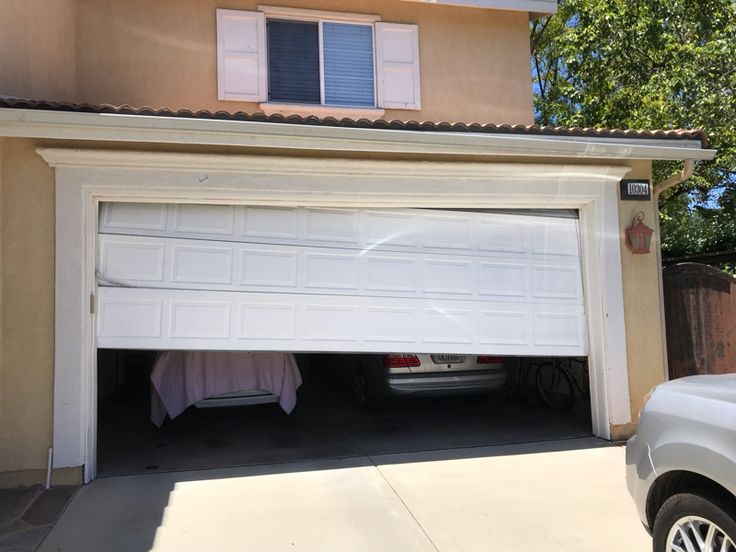
A properly balanced garage door is essential for safe operation, long-term durability, and optimal performance. During a fresh garage door installation, balancing the door is one of the most critical steps. An improperly balanced door can place excessive strain on the opener, cause premature wear on components, create safety hazards, and lead to costly repairs.
Whether you’re a professional installer or a homeowner seeking to understand the process, knowing how garage door balancing works can help ensure a smooth and reliable installation. This guide explains the importance of garage door balance, the factors garage door services Phoenix AZ involved, and the proper procedures for achieving it.
Why Garage Door Balance Matters
Garage doors can weigh anywhere from 100 to over 400 pounds depending on their size, material, and insulation level. The spring system is designed to counterbalance this weight, making the door easy to lift manually or with an automatic opener.
A properly balanced garage door:
- Opens and closes smoothly
- Reduces stress on the opener motor
- Minimizes wear on cables and tracks
- Improves safety
- Extends the lifespan of door components
- Prevents uneven movement and noise
Without proper balance, even a brand-new garage door can experience operational problems shortly after installation.
Understanding Garage Door Counterbalance Systems
Garage door balance relies on spring systems that offset the weight of the door.
Torsion Spring Systems
Torsion springs are mounted above the garage door opening and store energy by twisting.
Advantages include:
- Smoother operation
- Greater durability
- More precise balancing
- Longer service life
Most modern garage door installations use torsion springs.
Extension Spring Systems
Extension springs are mounted alongside the horizontal tracks.
They work by stretching and contracting as the door moves.
Although still used in some installations, extension springs are generally less common than torsion systems.
Safety First Before Balancing
Garage door springs are under extreme tension and can cause serious injury if handled incorrectly.
Before working on any spring system:
- Disconnect the garage door opener
- Secure the door in place
- Wear safety glasses
- Use proper winding bars for torsion springs
- Never use screwdrivers or makeshift tools
- Keep bystanders away from the work area
If you are unfamiliar with spring adjustments, professional assistance is strongly recommended.
Step 1: Complete the Door Installation
Balancing should only be performed after the entire garage door system has been installed.
Ensure that:
- Panels are assembled correctly
- Tracks are aligned
- Rollers are installed properly
- Cables are routed correctly
- Springs are mounted according to manufacturer specifications
An improperly assembled door cannot be balanced accurately.
Step 2: Disconnect the Garage Door Opener
Before testing balance, disengage the automatic opener.
Most systems include an emergency release cord that disconnects the opener carriage from the door.
This allows the door to move freely and enables accurate balance testing.
Step 3: Perform an Initial Balance Test
With the opener disconnected:
- Raise the door manually to approximately halfway open.
- Carefully release the door.
- Observe its movement.
Properly Balanced Door
A balanced garage door should:
- Remain nearly stationary
- Move only slightly
- Stay close to the halfway position
Signs of Imbalance
If the door:
- Falls rapidly, spring tension is insufficient.
- Rises on its own, spring tension is excessive.
- Drifts significantly in either direction, adjustments are needed.
Step 4: Adjust the Spring Tension
Spring adjustments are the primary method of balancing a garage door.
For Torsion Springs
Adjustments are made by increasing or decreasing spring tension.
If the Door Falls
Add tension by winding the spring slightly.
If the Door Rises
Reduce tension by unwinding the spring slightly.
Adjustments should be made in small increments, typically one-quarter turn at a time.
For Extension Springs
Balance adjustments are usually made by:
- Moving the spring hook to a different hole
- Adjusting cable lengths
- Repositioning mounting hardware
Always make equal adjustments on both sides.
Step 5: Re-Test the Door
After each adjustment:
- Raise the door halfway.
- Release it carefully.
- Observe the results.
Repeat the process until the door remains stable at the midpoint.
Proper balancing often requires several rounds of fine-tuning.
Step 6: Check Multiple Positions
A garage door should remain balanced throughout its travel range.
Test the door at:
One-Quarter Open
The door should remain stable without drifting.
Half Open
The midpoint is the primary balance checkpoint.
Three-Quarters Open
The door should not rise or fall unexpectedly.
Fully Open
The door should rest securely without excessive strain on the springs.
Testing multiple positions confirms that spring tension is distributed correctly.
Step 7: Inspect Cable Tension
Garage door cables work together with the spring system.
Check for:
- Equal tension on both sides
- Proper drum alignment
- No fraying or damage
- Smooth cable movement
Uneven cable tension can create balance issues even when spring tension is correct.
Step 8: Verify Track Alignment
Misaligned tracks can mimic balance problems.
Inspect:
- Vertical track plumbness
- Horizontal track levelness
- Roller movement
- Mounting bracket security
A balanced door still requires properly aligned tracks for smooth operation.
Step 9: Reconnect the Garage Door Opener
Once manual balance is achieved:
- Re-engage the opener carriage.
- Restore power to the opener.
- Run a complete open-and-close cycle.
Watch for:
- Smooth movement
- Consistent speed
- Minimal vibration
- Quiet operation
A balanced door reduces the workload placed on the opener motor.
Common Signs of an Improperly Balanced Door
Even after installation, homeowners should monitor for signs of imbalance.
Door Slams Shut
This usually indicates insufficient spring tension.
Door Feels Heavy
The springs may not be adequately counterbalancing the door’s weight.
Uneven Movement
One side of the door may have different spring or cable tension.
Excessive Noise
Straining components often create squeaking, grinding, or popping sounds.
Opener Struggles
A properly balanced door should require minimal force from the opener.
Factors That Affect Garage Door Balance
Several variables influence the balancing process.
Door Weight
Heavier doors require stronger springs and more precise adjustments.
Insulation
Insulated doors weigh significantly more than non-insulated models.
Material Type
Common materials include:
- Steel
- Wood
- Aluminum
- Fiberglass
Each material affects overall door weight differently.
Climate Conditions
Temperature fluctuations can influence spring tension over time, especially in regions with extreme seasonal changes.
Maintenance Tips for Long-Term Balance
To maintain proper garage door balance:
- Inspect springs annually
- Lubricate moving components regularly
- Check cable condition
- Test balance every few months
- Address unusual noises promptly
Routine maintenance helps preserve performance and prevent premature wear.
When to Call a Professional
While balance testing is straightforward, spring adjustments can be dangerous.
Professional service is recommended when:
- Torsion spring adjustments are required
- Springs appear damaged
- Cables are frayed
- The door remains unbalanced after adjustments
- Safety concerns arise
Experienced technicians have specialized tools and training to safely perform balance corrections.
Conclusion
Properly balancing a garage door during a fresh installation is essential for safe operation, smooth performance, and long-term reliability. By carefully adjusting spring tension, testing the door at multiple positions, verifying cable alignment, and ensuring track accuracy, installers can create a system that operates efficiently and safely. A well-balanced garage door not only protects your investment but also reduces wear on critical components and ensures dependable operation for years to come.
