



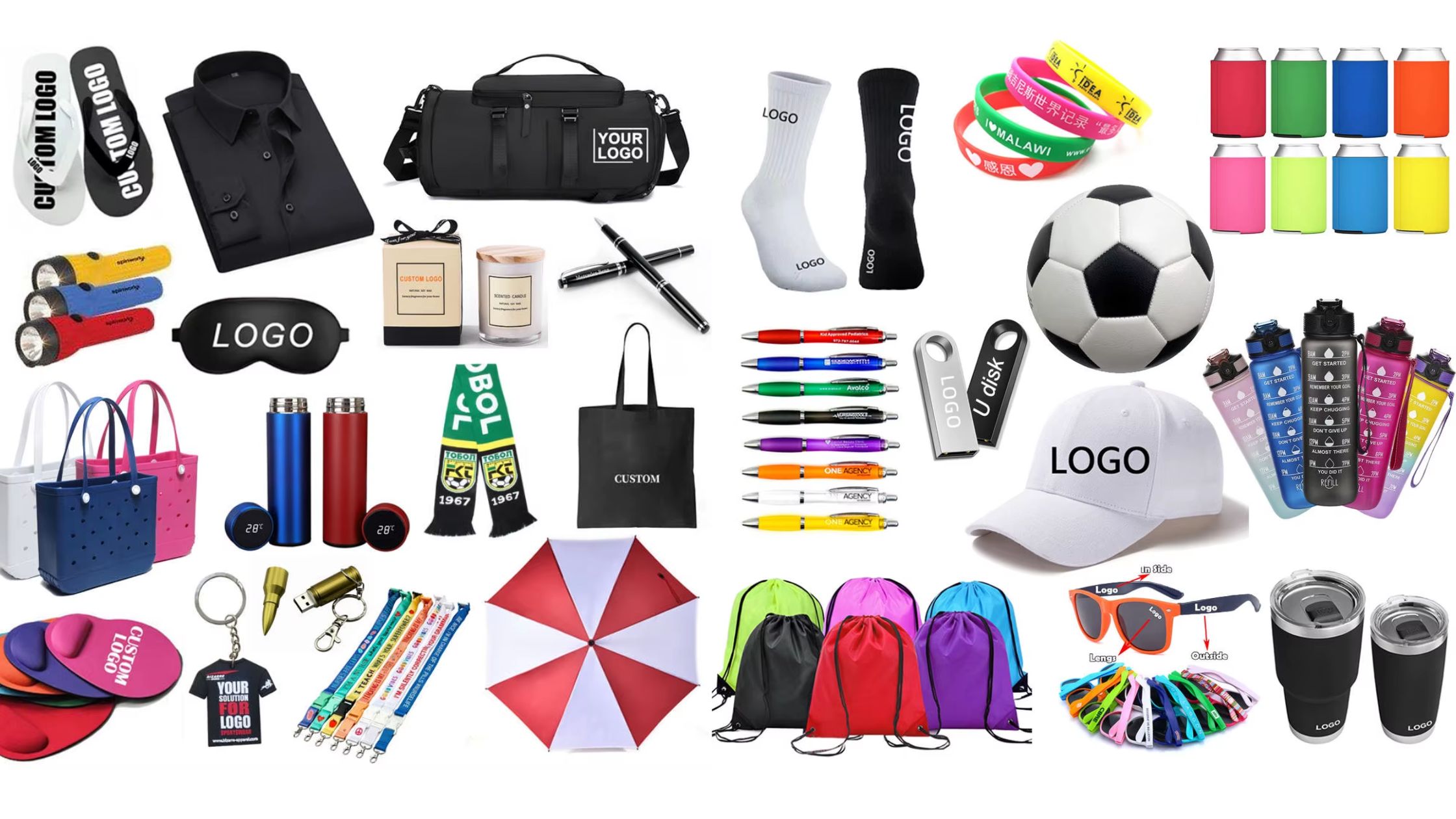
In the competitive landscape of Australian commerce, the difference between a successful marketing campaign and a wasted budget often comes down to a single question: “Will the customer actually keep this?” Every year, businesses pour thousands of dollars into branded merchandise that ends up in the bottom of a desk drawer or, worse, the rubbish bin. To avoid this fate, a shift in perspective is required. You must stop viewing promotional products in Brisbane QLD as mere giveaways and start viewing them as functional tools that solve a problem or enhance a lifestyle.
The Utility Test: The First Filter for Success
The most successful items are those that pass the “Utility Test.” If a product provides a clear benefit or performs a task better than an alternative, it earns a permanent place in a customer’s home or office. In Australia, where the culture leans toward practicality and “no-nonsense” solutions, utility is the highest currency.
When selecting custom promotional products, consider the daily friction points your customers face. Is their phone always running out of battery during site visits? A high-capacity power bank is the solution. Are they constantly searching for a bottle opener at a weekend BBQ? A heavy-duty branded keyring becomes their new best friend. By identifying these small daily needs, your brand becomes associated with the relief of a solved problem.
Quality Over Quantity: The Brand Perception Loop
There is a dangerous temptation to buy the cheapest possible items to maximise the number of people reached. However, this is often a counter-productive strategy. A flimsy umbrella that turns inside out during a Melbourne squall or a “leaky” pen doesn’t just fail as a tool; it actively damages your reputation.
The quality of your imprinted promotional items serves as a direct reflection of the quality of your core business. When a potential customer handles a product that feels substantial, well-designed, and durable, they subconsciously assume that your services or products share those same traits. It is far better to give a high-quality item to 100 high-value prospects than to give a low-quality item to 1,000 strangers.
Relevance to the Australian Lifestyle
To ensure a product gets used, it must fit into the local context. Australia’s unique climate and lifestyle offer specific opportunities for smart branding:
- The Great Outdoors: Items like high-SPF sunscreen, wide-brimmed hats, or high-quality stubby holders are perennial favourites because they align with our outdoor culture.
- The Coffee Culture: We take our coffee seriously. A ceramic-lined reusable cup or a premium vacuum-insulated tumbler is almost guaranteed to be used every single morning.
- The Work-From-Home Shift: With more Australians working hybrid schedules, items that enhance the home office—such as blue-light-blocking glasses, ergonomic mouse pads, or stylish desk organisers—have seen a massive surge in utility.
The “Aesthetic” Factor: Would They Buy It?
A great litmus test for any promotional item is to ask: “If this didn’t have my logo on it, would someone buy this in a shop?” If the answer is no, the product is likely too “promotional” and not “product” enough. Modern consumers are increasingly design-conscious. They prefer minimalist branding over loud, oversized logos.
A subtle, tastefully placed logo on a high-end backpack or a sleek matte-finish water bottle makes the item feel like a retail-grade gift rather than an advertisement. When an item looks good, the recipient is proud to carry it, wear it, or display it on their desk, which dramatically increases the number of organic impressions your brand receives.
Timing and Context: The Art of the Handover
The “used” status of a product is often decided at the moment of receipt. Giving away a heavy hoodie at an outdoor event in the middle of a Brisbane summer is a mismatch that leads to the item being left behind. Conversely, providing a branded rain poncho at a drizzly outdoor festival makes you the hero of the day.
Contextual giving ensures immediate use. When a customer uses your product immediately to solve a current problem, the mental link between your brand and “helpfulness” is forged instantly. This immediate utility sets the stage for long-term retention.
Sustainability: The Modern Requirement
In the current Australian market, environmental impact is no longer an afterthought—it is a primary consideration for many consumers. Products made from sustainable materials like bamboo, organic cotton, or recycled plastics are much more likely to be kept and used.
Choosing “green” items tells your potential customers that your brand is forward-thinking and responsible. Furthermore, durable items are inherently more sustainable than “single-use” style promos. A high-quality metal straw set or a durable tote bag replaces hundreds of disposable alternatives, keeping your brand in the user’s hand while helping them reduce their own environmental footprint.
Conclusion: From Giveaway to Essential
The goal of any promotional strategy should be to move your item from the category of “stuff” to the category of “essential tool.” This transition happens when you prioritise utility, quality, and relevance over sheer volume.
By choosing products that genuinely enhance the life of your target audience, you ensure that your logo isn’t just seen—it is touched, used, and appreciated daily. In the end, the most effective promotional product isn’t the one with the biggest logo; it is the one that the customer can’t imagine leaving the house without. Spend the time to understand your customer’s day-to-day reality, and your marketing will find a permanent home in their lives.
