



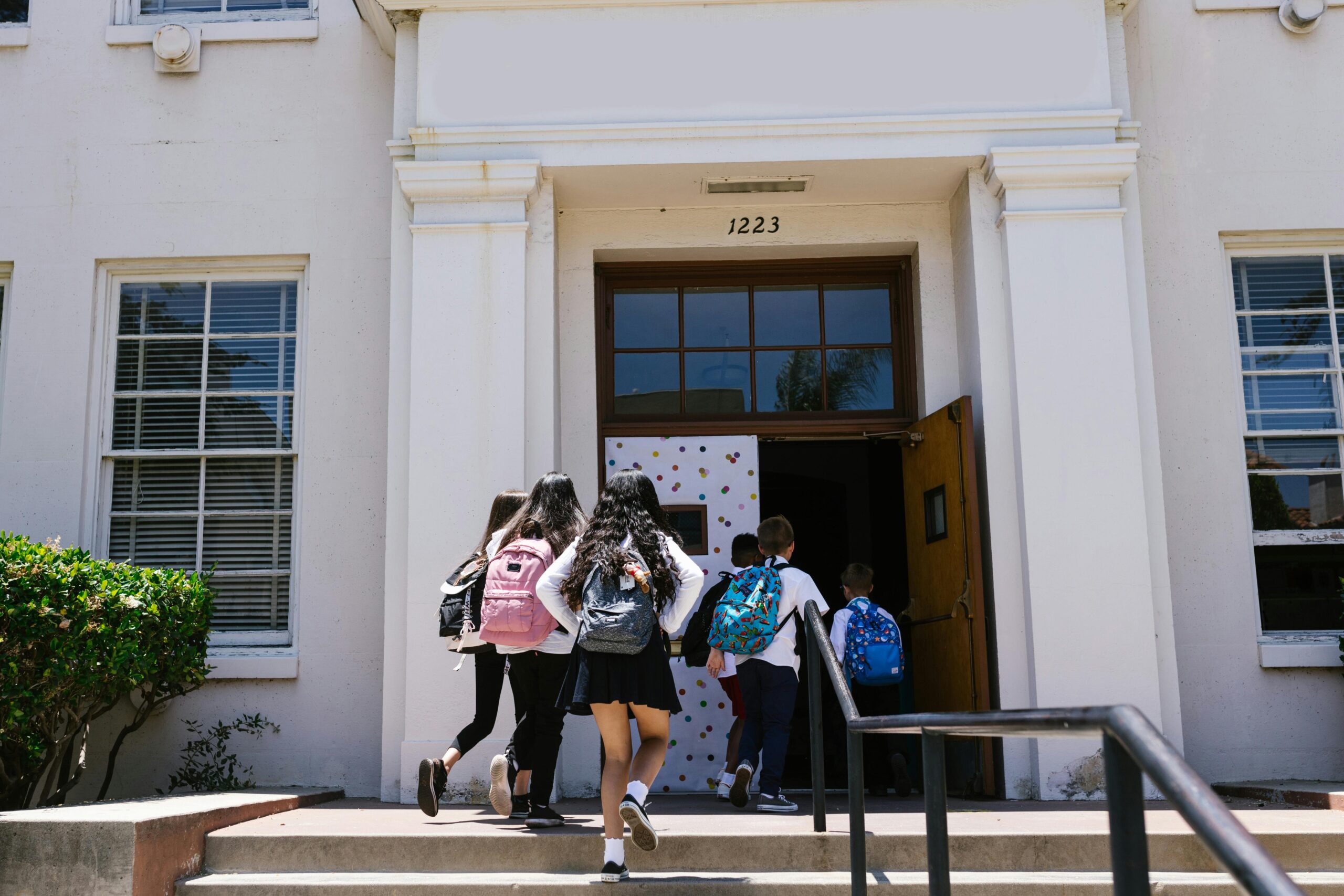
School buildings are designed to support learning, collaboration, and safety for students, teachers, and staff. Among the many architectural elements that contribute to a secure and functional campus, door systems play an important role. From classroom entryways to hallway partitions, carefully designed door solutions help manage traffic flow, enhance safety, and improve the overall learning environment.
Modern schools require doors that balance accessibility with protection. They must allow students and faculty to move efficiently throughout the building while also supporting emergency preparedness and building management. As educational facilities continue to evolve, manufacturers and architects increasingly explore innovative door systems that contribute to flexible and secure school environments.
Enhancing Safety and Emergency Preparedness
Safety remains one of the most important considerations in school design. Door systems contribute significantly to emergency preparedness by helping manage access, protect occupants, and support evacuation procedures when necessary. Schools must be prepared for a range of situations, including severe weather, fire, and other emergencies.
Strategically placed door systems can create controlled zones within a building, helping staff secure specific areas while maintaining safe pathways for students and faculty. In some schools, specialized door solutions are installed to quickly separate sections of hallways or corridors during emergencies.
Supporting Efficient Movement Throughout Campus
Schools are dynamic environments where hundreds or even thousands of people move between classrooms, libraries, cafeterias, and other shared spaces throughout the day. Door solutions must support smooth transitions between these areas without causing congestion or delays.
Wide openings, flexible partition systems, and well-designed entry points can help manage traffic flow during busy periods such as class changes or school events. By improving circulation patterns, door systems contribute to a more organized and comfortable learning environment. Solutions from trusted manufacturers demonstrate how adaptable door designs can help schools maintain both accessibility and functionality in high-traffic areas.
Creating Flexible Learning Spaces
Educational environments increasingly prioritize flexibility. Modern teaching strategies often involve collaborative learning, group discussions, and adaptable classroom layouts. As a result, schools benefit from architectural features that allow spaces to be easily modified for different activities.
Door systems that function as movable partitions or expandable openings allow classrooms and shared areas to transform quickly. These adaptable features enable teachers to combine or separate spaces depending on the needs of a particular lesson or event. Some flexible door solutions help schools create multifunctional areas that support both traditional instruction and interactive learning.
Improving Acoustic and Environmental Control
Noise management is another important factor in school design. Busy hallways, large common areas, and active classrooms can create distractions that interfere with concentration and effective instruction. Properly designed door systems can help control sound levels by separating noisy spaces from quieter learning environments.
Additionally, doors contribute to environmental control within school buildings. They help regulate airflow, temperature, and energy efficiency by separating interior spaces. Well-designed door systems support climate management, ensuring that classrooms remain comfortable and conducive to learning. Advanced solutions offered by companies demonstrate how door systems can combine acoustic performance with efficient building design.
Supporting Accessibility and Inclusive Design
Schools must accommodate individuals with diverse physical abilities, making accessibility an essential part of architectural planning. Door systems should allow easy access for students, staff, and visitors who use mobility devices or require additional support when navigating the building.
Features such as automatic openings, wide entryways, and user-friendly hardware help create inclusive environments where everyone can move comfortably throughout the campus. Accessibility standards guide the design of these systems, ensuring that educational spaces remain welcoming and functional for all members of the school community.
Strengthening Durability and Long-Term Performance
School facilities experience constant use, which places significant demands on building components. Doors must withstand daily wear while maintaining reliable performance over time. Durable materials and high-quality construction help ensure that door systems remain functional despite frequent use.
Maintenance considerations also play a role in selecting appropriate door solutions. Systems designed with longevity and ease of upkeep can reduce repair costs and support consistent building performance. Products offered by trusted manufacturers highlight the importance of durability, providing solutions designed to function effectively in high-traffic educational settings.
Promoting Secure and Functional School Design
Door solutions contribute far more to school environments than simple entry and exit points. They influence safety planning, traffic flow, acoustic comfort, accessibility, and building efficiency. Thoughtfully designed door systems support both the daily operations of schools and the broader goal of creating safe learning environments.
Innovative approaches from companies like Won-Door show how modern door systems continue to evolve alongside educational architecture. By integrating adaptable, durable, and secure door solutions, schools can enhance the safety and functionality of their facilities while supporting the needs of students, educators, and staff.
