



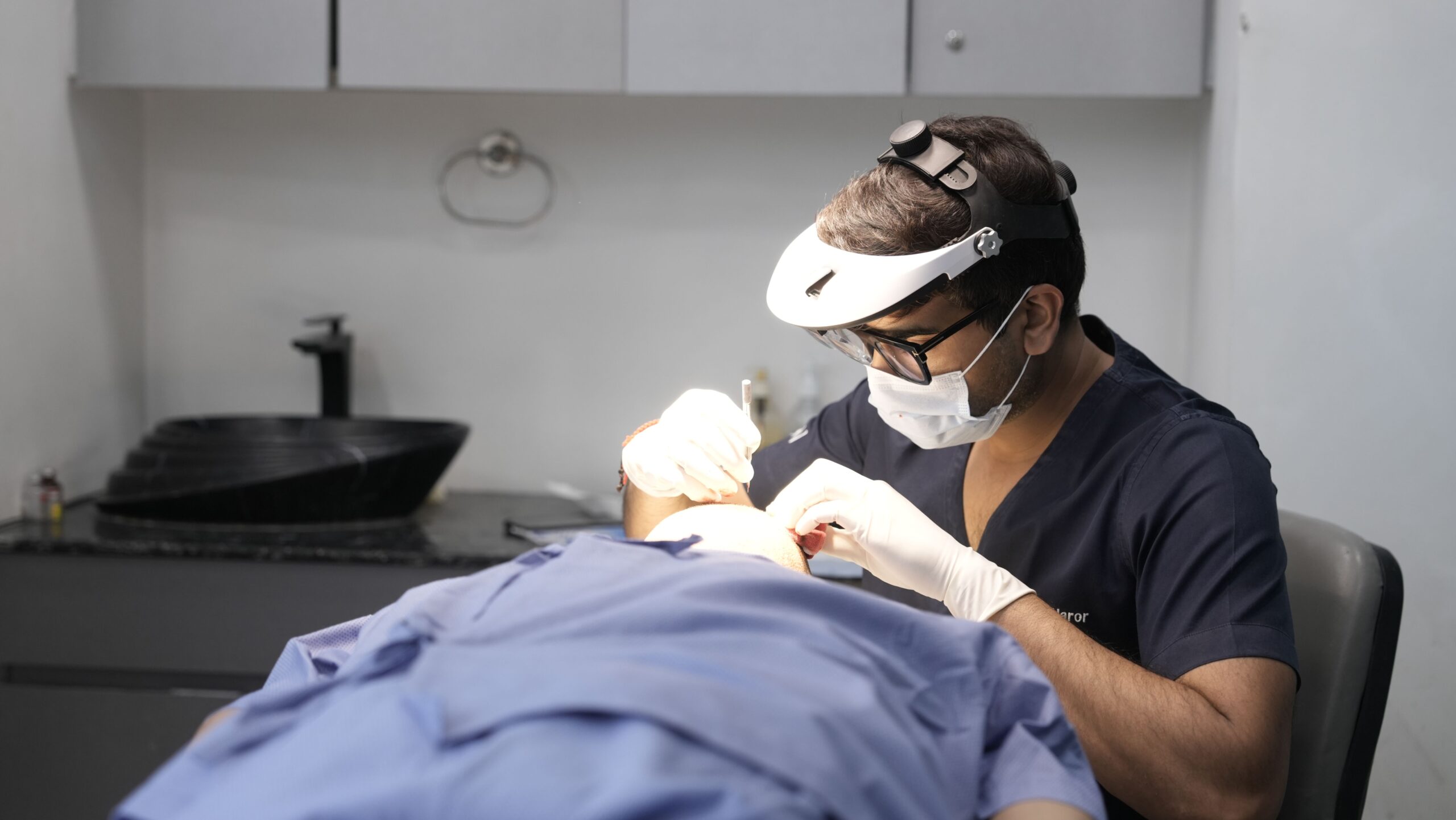
Working in the high-stakes environment of an intensive care unit often defines a clinician for life. The rapid pace, constant emergencies, and deep bonds formed with critical patients create a profound sense of professional purpose. However, years of navigating life-or-death decisions under immense institutional pressure can eventually lead even the most dedicated medical workers to experience severe emotional fatigue.
When healthcare professionals transition into cosmetic medicine, they often face unexpected emotional hurdles regarding their professional purpose. Moving away from critical illness into a world focused on appearance and wellness can feel strange at first. Yet, this shift represents a powerful opportunity to redefine patient care while building a more balanced life.
Stepping Away From Institutional Hospital Burnout
The modern American healthcare system demands an incredible amount of sacrifice from frontline hospital staff. Clinicians in critical care often endure long overnight shifts, unpredictable schedules, and chronic understaffing that robs them of their personal lives. Over time, this constant survival mode chips away at their physical health and the joy they once found in medicine.
Stepping into the field of medical aesthetics allows these professionals to reclaim control over their professional schedules and mental well-being. Instead of working in a state of constant panic, they enter an environment where appointments are predictable.
Clients in this space are genuinely happy to visit their providers. This dramatic shift in workplace atmosphere plays a massive role in healing the deep professional fatigue that plagues so many hospital workers today.
Transporting Specialized Critical Care Expertise
Many mistakenly assume moving into cosmetic medicine means discarding years of clinical expertise. In reality, the meticulous attention to detail from high-acuity units translates perfectly into performing precise facial injections. Critical care workers already possess elite assessment skills, a strict respect for sterile techniques, and an innate ability to remain calm under pressure.
These professionals already know how to handle complex patient anxieties and discuss delicate anatomical risks with total confidence. When a clinician applies these advanced skills to aesthetic procedures, patient safety and treatment outcomes naturally skyrocket. The exactness required to calculate a critical medication dosage is the very same focus needed to map out precise facial muscles safely.
Transitioning Smoothly Through Quality Education
Making a successful leap into this rapidly growing industry requires a commitment to learning a brand new set of practical skills. Hospital training focuses strictly on managing disease states, whereas cosmetic training requires a deep understanding of facial balance, subtle symmetry, and soft tissue interaction. Finding comprehensive educational programs that prioritize extensive, hands-on practice with live models is essential for building real clinical confidence.
Medical professionals frequently look at specialized postgraduate training options to bridge the gap between hospital protocols and private clinic demands. For instance, ambitious providers often seek out accredited botox courses to master the core principles of facial muscle relaxation and safe delivery techniques.
Investing in this type of structured, professional education ensures that a provider can deliver beautiful results while maintaining the absolute highest standards of patient safety. This foundation gives emerging injectors the technical assurance they need to launch a thriving and secure aesthetic practice.
Discovering a Fresh Form of Patient Healing
It is common for transitioning providers to worry that cosmetic procedures lack the profound depth of traditional medical care. However, helping an individual regain their confidence after severe facial aging or scarring can be an incredibly rewarding form of therapy. Aesthetic clinicians quickly realize that their work deeply impacts a person’s mental health, self-esteem, and social confidence.
- Restoring Emotional Well-Being: Correcting a physical asymmetry often relieves years of deep-seated social anxiety for an individual.
- Building Long-Term Relationships: Unlike the fleeting interactions of an emergency room, private clinics allow providers to support clients over many years.
- Empowerment Through Change: Helping individuals align their outward appearance with their internal energy provides a unique sense of personal pride.
- Promoting General Wellness: Providers regularly use these positive visits to educate clients on broader skin health, nutrition, and sun safety habits.
Witnessing the immediate joy and gratitude on a client’s face provides a unique kind of professional fulfillment that is rarely found in a chaotic hospital ward.
Embracing the Freedom of Financial Independence
Traditional hospital structures cap a provider’s earning potential through rigid budgets and fixed insurance reimbursement rates. Clinicians are often forced to work extra holidays or dangerous amounts of overtime just to increase their take-home pay. This financial treadmill heavily contributes to the ongoing cycle of exhaustion and career dissatisfaction.
The field of medical aesthetics operates on a highly profitable cash-pay model that bypasses the headaches of insurance corporations completely. This business structure gives providers the rare freedom to set their own competitive pricing, choose their hours, and directly profit from their hard work. Achieving this level of financial freedom allows medical professionals to finally enjoy the lifestyle they spent so many years studying to achieve.
Conclusion
Transitioning from the intense world of critical care to a modern aesthetic clinic is not a step down in professional value. It is a courageous redefinition of a clinician’s medical path that prioritizes both patient happiness and personal well-being. By combining their existing clinical precision with high-quality specialized education, medical professionals can build a prosperous career that honors their healing instincts.
Ultimately, choosing a path of wellness and balance allows dedicated healers to thrive personally while transforming lives through confidence-boosting care.
