



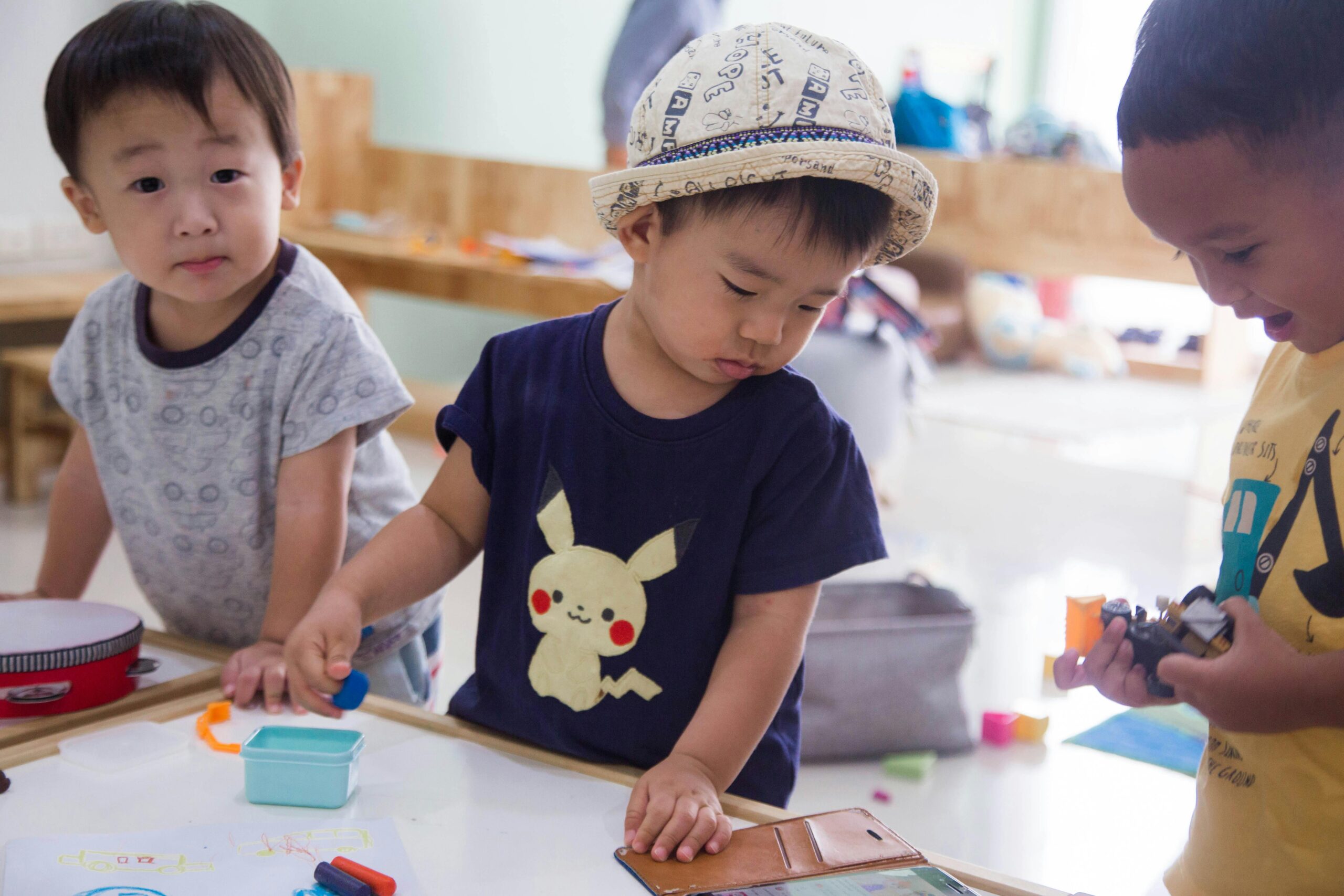
The toddler years are filled with rapid growth, curiosity, and important developmental milestones. During this stage, children begin building communication skills, learning social behaviors, and developing greater independence. Because these early years play a major role in future learning, many families look for environments that provide both care and educational opportunities.
A toddler daycare program can help support these goals by creating a structured setting where children learn through play, exploration, and daily interaction.
A well-designed daycare environment does more than supervise children throughout the day. It provides opportunities for toddlers to discover new skills, build confidence, and engage with others in meaningful ways. These experiences can contribute positively to emotional, social, physical, and cognitive development.
Encouraging Social Skills Through Group Interaction
Toddlers are naturally curious about the people around them. A daycare setting allows children to interact regularly with peers, which helps them learn valuable social skills. Through shared activities, children begin practicing communication, cooperation, and patience. They also learn how to take turns, express feelings, and navigate simple conflicts.
These experiences are important because social development often begins long before formal schooling starts. In many early childhood programs, children participate in activities designed to encourage positive interactions and relationship-building. Over time, these daily experiences help toddlers become more comfortable in group settings.
Supporting Language Development Through Daily Communication
Language skills grow quickly during the toddler years. Children are constantly listening, observing, and attempting to communicate with the people around them. A toddler daycare program provides many opportunities for language development through conversations, storytelling, songs, and guided activities.
Caregivers and educators often introduce new words throughout the day while encouraging children to express their thoughts and needs. Consistent exposure to language-rich environments can strengthen vocabulary, listening skills, and verbal confidence.
As children become more comfortable communicating, they are better prepared for future learning experiences.
Building Independence Through Daily Routines
Learning independence is a major part of toddler development. Daily routines help children understand expectations while giving them opportunities to perform age-appropriate tasks on their own.
Activities such as washing hands, putting away toys, and participating in snack time encourage responsibility and self-confidence.
Although these tasks may seem simple, they help toddlers develop important life skills.
Predictable routines also create a sense of security because children know what to expect throughout the day. This balance of structure and independence supports both emotional and developmental growth.
Strengthening Cognitive Skills Through Play-Based Learning
Play remains one of the most effective ways toddlers learn about the world around them. Through hands-on activities, children develop problem-solving skills, creativity, and critical thinking abilities. Building blocks, puzzles, sensory stations, and imaginative play all contribute to cognitive development.
A quality toddler daycare program incorporates activities that encourage exploration and discovery. Rather than focusing solely on formal instruction, these programs allow children to learn naturally through engaging experiences. This approach helps make learning enjoyable while supporting essential developmental milestones.
Promoting Physical Development Through Active Movement
Toddlers are constantly on the move. Running, climbing, jumping, and exploring help strengthen muscles and improve coordination. Physical activity is an important part of healthy development, which is why many daycare programs include both indoor and outdoor play opportunities.
Movement-based activities also help children develop balance, motor skills, and body awareness. Programs offered by schools like Scottsdale Child Care and Learning Center often emphasize active play as part of a well-rounded daily schedule. Regular physical activity supports overall health while giving toddlers an outlet for their natural energy and curiosity.
Fostering Emotional Growth Through Supportive Care
Emotional development is just as important as physical and cognitive growth during the toddler years. Children are learning how to recognize emotions, manage frustration, and build confidence. A supportive daycare environment provides guidance as toddlers navigate these experiences.
Caring adults help children identify feelings and develop appropriate ways to express them. Positive reinforcement, encouragement, and consistency contribute to a secure environment where children feel valued and understood. As emotional skills develop, toddlers often become more resilient and confident in new situations.
Creating Learning Opportunities Through Structured Activities
Structured activities provide children with opportunities to engage in purposeful learning while still having fun.
Art projects, music sessions, story time, and simple science activities encourage curiosity and creativity. These experiences introduce new concepts in ways that are appropriate for young learners.
The goal is not to rush academic development but to create a foundation for future learning.
Structured activities help children practice listening, following directions, and focusing on tasks. These early experiences can support success when children transition into preschool and beyond.
Supporting Lifelong Growth Through Early Learning Experiences
A toddler daycare program offers much more than daily supervision. It creates opportunities for social interaction, language development, independence, physical activity, and emotional growth.
Through a combination of structured learning and play-based experiences, children gain skills that support future success both inside and outside the classroom.
As toddlers explore the world around them, positive early learning experiences can help shape their confidence, curiosity, and love of learning. By providing a safe and engaging environment, daycare programs play an important role in supporting healthy development during some of the most important years of childhood.
